The Cancer Recovery Roadmap: How I Integrated Every Healing Pillar (and How You Can Too)
Category: Cancer & Emotional Wellness
If you’ve been following this series, you know we’ve covered a lot of ground on (here’s each blog): nutrition, supplements, hydration, movement, sleep, emotional support, and mindset. That’s a lot of pillars, and if you’re in the thick of cancer recovery, it can feel like juggling burning torches while walking a tightrope. So, let’s do something powerful: let’s pull everything together into one simple, doable daily framework. You deserve a plan that helps you feel strong, hopeful, and in control – no matter what the diagnosis or doctor’s schedule throws your way.

Why Integration Changes Everything
Cancer recovery can make your life feel like it’s ruled by appointments, treatments, and side effects. It’s easy to lose your sense of agency, but here’s a hard truth: while you can’t control every medical outcome, you absolutely can reclaim your power with small, consistent actions. This is about integration, it’s about taking all those strategies and weaving them into a rhythm that works for real life.

Nutrition: The Foundation You Build On
Let’s get honest: when your appetite tanks and your gut is in chaos, food can feel like the enemy, but the right nutrition is non-negotiable for muscle, immunity, and energy. Focus on protein (think 20g+ per meal), complex carbs for energy and fiber, and healthy fats to soothe inflammation and balance hormones. If chewing or swallowing feels impossible, sippable nutrition like smoothies, broths and soups can be a game-changer. Consistency wins over perfection. Every small bite or sip is a victory.
If you’re struggling to get anything down then grab my free guide of what worked for me when food and I had a major parting of ways. You can get it here.
Supplements: Fill the Gaps, Don’t Replace the Meal
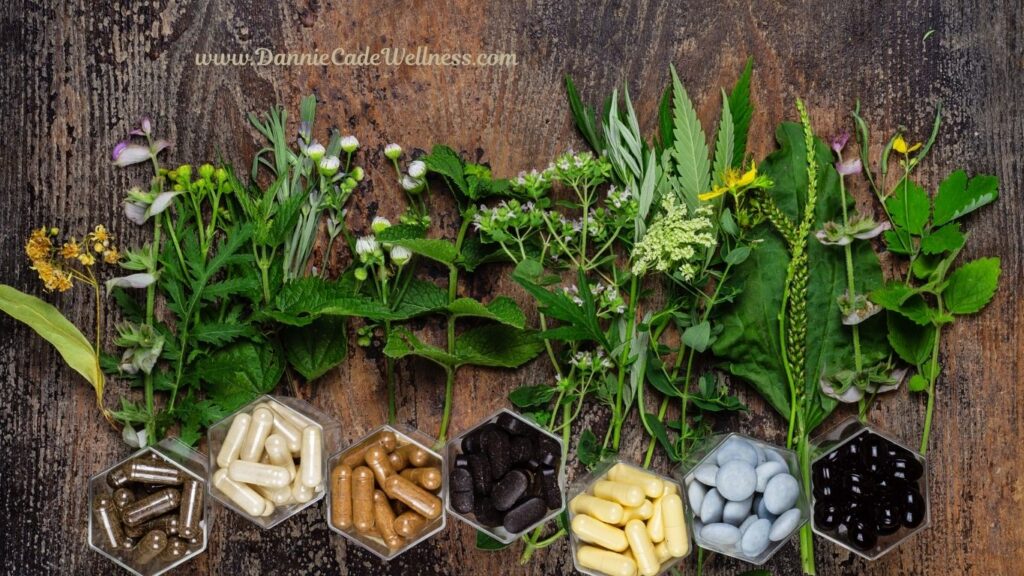
Supplements aren’t miracle workers, but they close the gaps when real food isn’t enough. A high-quality multivitamin, vitamin D3, omega-3s, magnesium, probiotics, and targeted antioxidants like curcumin and turmeric can support immunity, sleep, and recovery. Always track what you take and check in with your care team to avoid overload or interactions.
Hydration: The Secret Weapon
Hydration seems basic, but it’s a recovery superpower. Aim for 2–3 liters of fluids a day (water, herbal or green teas, broths), and sip steadily – don’t chug. If treatment side effects like vomiting or diarrhea hit, use electrolytes to keep your system balanced. Watch out for too much sugar or caffeine, they can sabotage your efforts. Hydration quietly boosts every other pillar, from energy to mental clarity.

Movement: Gentle and Mighty
Forget marathons, gentle movement is your ally now. Short walks, chair exercises, or light stretching count. Break it up through the day, and focus on flexibility and balance. Even two to five minutes at a time, done consistently, will build stamina and restore a sense of command over your recovery. Mind-body practices like yoga or tai chi are gold for both body and spirit.

Sleep: Your Built-In Repair Shop
Sleep is where the real healing happens. Protect it fiercely: keep a consistent bedtime, create a dark and cool environment, and address pain or nausea before you lie down. Relaxation practices—deep breathing, meditation, journaling—can ease you into restful sleep. Short naps can help, but avoid long, late ones that mess with your night’s rest. Make sleep a priority, not an afterthought. Try gentle sleep aids.

Emotional Support: Don’t Go It Alone
Cancer recovery isn’t just physical, it’s emotional. Fear, anxiety, and isolation can hit hard, it’s when we should reach out to friends, family, or support groups. If it gets overwhelming, use professional help, it’s not a weakness. Mindfulness, grounding, and journaling can help you process tough days, and don’t be afraid to accept practical help with meals, rides, chores, etc. Emotional well-being fuels resilience and helps you stick with your recovery routines.

Mindset & Resilience: The Glue That Holds It All
Mindset isn’t woo-woo stuff, it’s the key to showing up, even on the hardest days. Reframe negative thoughts into “What’s my next step?” Set small, realistic daily goals and celebrate your wins, no matter how tiny. Visualization and positive imagery help reinforce healing, while self-compassion builds the patience you need for setbacks. Remember: mindset is what holds all the other pillars together.

Bringing It All Together: Your Daily Recovery Framework
So how do you actually put this into practice? Here’s a simple daily rhythm to try:
Morning:
- Hydrate as soon as you wake up
- Gentle movement (even a few stretches in bed counts)
- Sippable or soft, nutrient-rich breakfast
- Five minutes of mindfulness
Midday:
- Hydrate
- A little mobility or stretching
- Balanced lunch
- Emotional check-in (journal, call a friend, or simple self-reflection)
Afternoon:
- Short walk or gentle movement
- Light snack or sippable nutrition
- A few moments for gratitude or reflection
Evening:
- Hydrate again
- Gentle stretching
- Nutrient-rich dinner
- Relaxation routine and prep for sleep
Track your progress, your meals, fluids, movement, sleep, mood, and energy. Adjust as needed. Flexibility is essential; some days are going to be harder than others, and that’s okay. The goal is consistent effort, not perfection.
Final Thoughts: You’ve Got This
Cancer recovery is complex, but when you integrate nutrition, supplements, hydration, movement, sleep, emotional support, and mindset, you create a powerful ripple effect. This is your basic, practical roadmap you can use to take back control, strengthen your body, and nurture your spirit. Every sip, every step, every stretch matters. You’re not just surviving, you’re building your comeback, one intentional choice at a time.
Looking for more detailed guides, encouragement, or just someone who gets it? Drop a comment below or subscribe for more practical, real-world support. You don’t have to walk this road alone. You can also follow me on Instagram here: https://www.instagram.com/cancernutritionsupport

Facebook Comments