Cancer Nutrition: The Missing Piece in Healing and Recovery
Category: Appetite Loss Solutions
When someone is diagnosed with cancer, most of the focus is immediately on treatments; chemotherapy, radiation, surgery, and medications. The medical system is excellent at attacking the tumor, but there’s one area that is almost always universally neglected: Nutrition.
Last week we had a good look at what a cancer diagnosis really means to us and some of the pro-active things we can do when we hear the big C word. Today we’re going into more depth on the nutrition end of it as patients are rarely given clear guidance about what to eat, how to nourish their body, or what actually supports recovery.

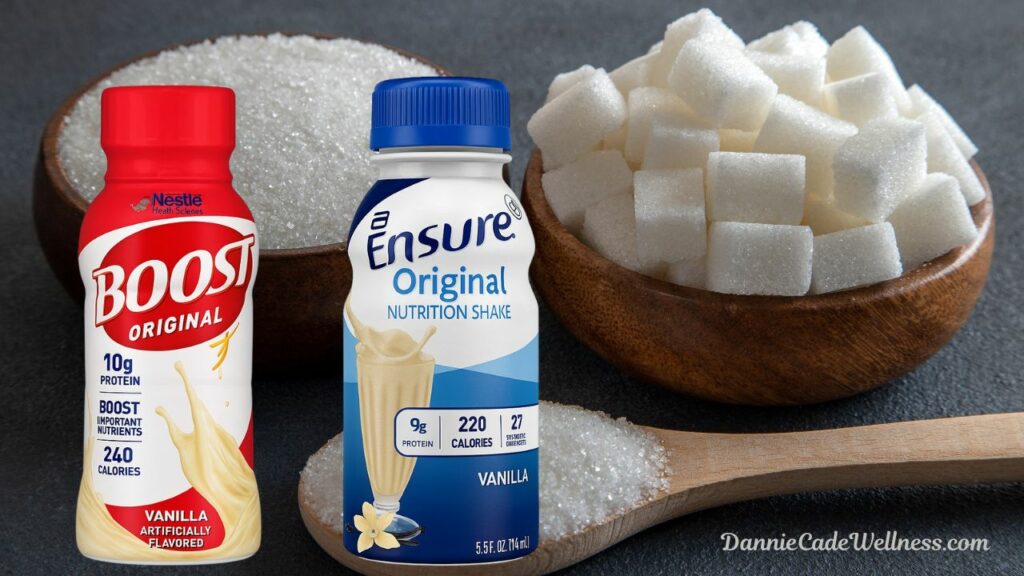
Many people quickly realize that “just eat what you can” is often the standard advice. Some are offered what they call meal replacement drinks like Boost or Ensure, and while these products are marketed as “complete nutrition,” the reality is different. They’re often high in sugar, artificial additives, cheap industrial grade protein sources that’s roughly 1/2 or less of what’s suggested per meal, with a very light dusting of synthetic vitamins and minerals that’s hardly worth the ink it took to print on the label.
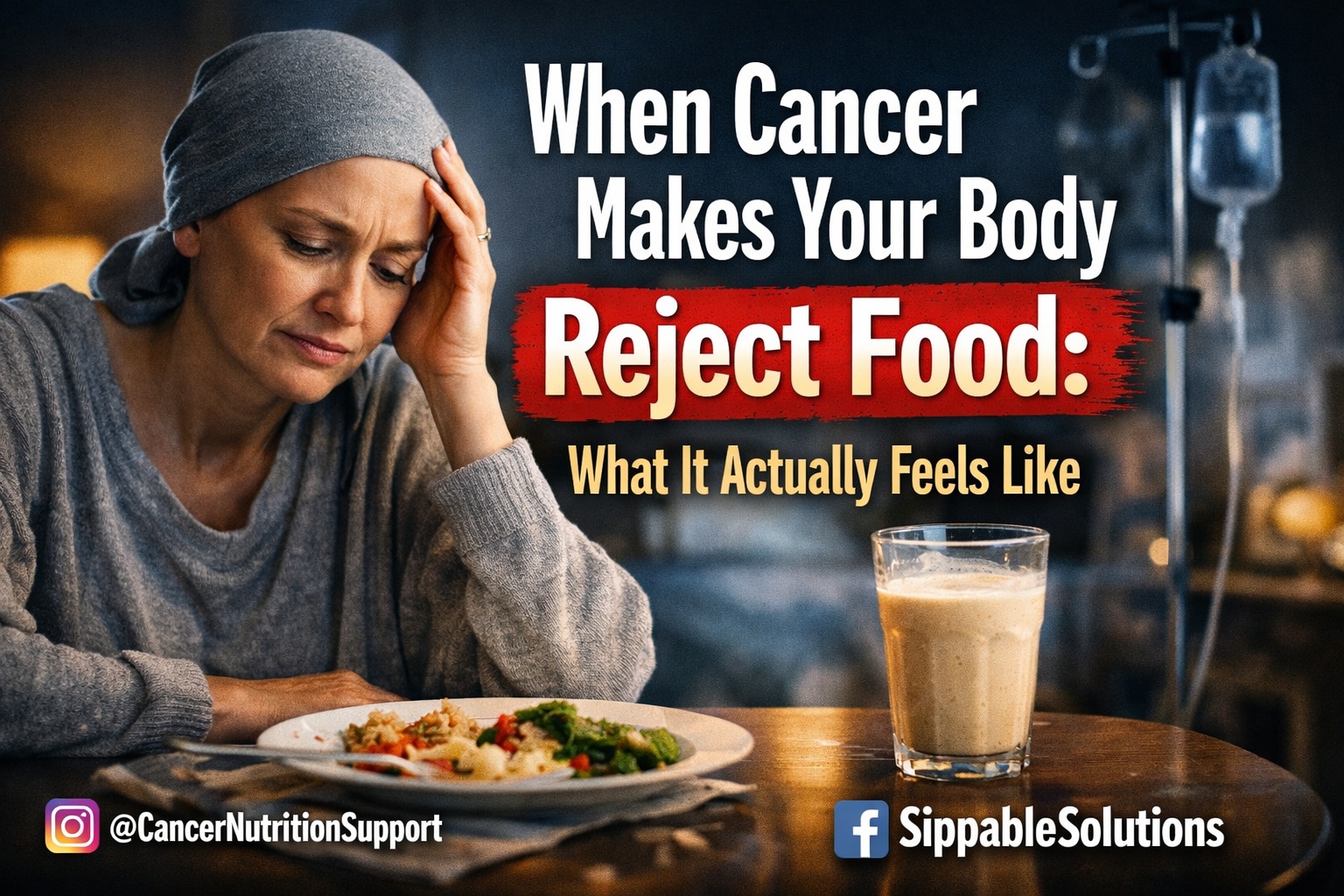
Calories alone are not enough, especially empty ones. Our body isn’t just hungry for energy; it’s starving for the right building blocks to repair tissue, support the immune system, and help us to maintain strength and resilience during treatment. When we’re struggling to eat because of nausea, fatigue, taste changes, chemo mouth or digestive distress – it’s even more frustrating.
We want something our body will accept, something we can tolerate that actually supports healing, but when we read the labels, many of these so-called nutrition solutions fall short. Corn syrup, artificial flavors, low-quality protein, and other cheap fillers do not provide the nourishment our cells need. It’s discouraging, and it can feel like our body is rejecting everything we offer it.

This is where understanding nutrition at a deeper level can empower us. It’s not about blame or guilt; it’s about giving our body what it needs to recover. Real nourishment is composed of several key elements:
1. High-quality protein: Protein is essential for repairing damaged tissue, maintaining muscle, and supporting immune function. Ideally, aim for complete proteins, the ones that contain all of the essential amino acids such as eggs, fish, poultry, grass-fed dairy, or high-quality plant sources like lentils, quinoa, and clean soy.
2. Healthy fats: Fats like omega-3 fatty acids reduce inflammation and support heart, brain, and immune health. Sources include fatty fish, avocado, flax, chia, and walnuts. I’m also a big fan of ghee, MCT, olive or coconut oil.
3. Fiber and gut-supporting nutrients: Prebiotic fiber, vegetables, and fermented foods help maintain healthy gut microbia, which is critical for digestion and immunity. If your guts are too stressed, go for well cooked veggies or roasted root veggies that are low fiber.
4. Vitamins and minerals: Micronutrients play roles in every cellular process. Deficiencies can hinder our recovery, fatigue us, and leave our immune system vulnerable.
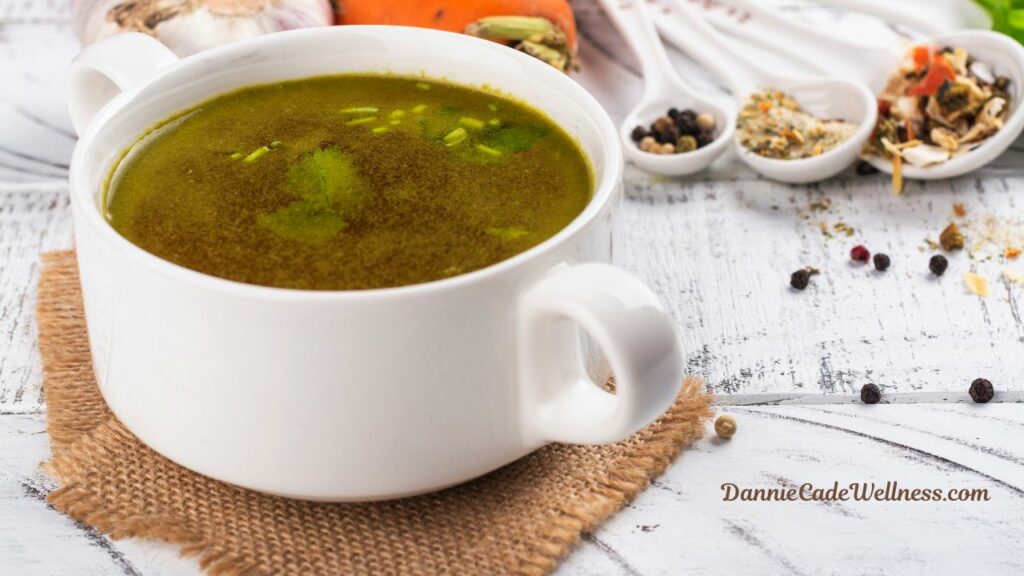
Go for easy-to-digest forms of food so it’s gentle on the digestive system. When our appetite is low or non-existant, our digestion is compromised, or if you’re feeling full after 2 -3 bites, try sippable meals like smoothies, broths and blended soups – they’re invaluable. They provide concentrated nutrients without overtaxing the body.
Many patients feel lost navigating this landscape because the labels are confusing thanks to marketing techniques, the grocery aisles can be overwhelming, and the fear of “feeding the cancer” adds another layer of anxiety. Understanding that your body needs high quality, digestible nutrition helps you to reclaim control. You begin to see that eating is not a passive task, it’s an active part of your healing.

A naturopath or integrative practitioner can tailor a plan to your needs, but there are steps that anyone can take on their own:
- Track which foods your body tolerates. A food journal can reveal patterns of nausea, fullness, or digestive dis comfort.
- Prioritize protein and nutrient-dense foods first, even in small amounts.
- Use sippable nutrition strategically when chewing or swallowing is difficult.
- Hydrate consistently. Lemon water, broths, or mild herbal teas support metabolism and digestion.
- Avoid ultra-processed foods, added sugars, and cheap fillers that provide calories but little-to-no usable nutrition.
It’s also important to understand that proper nutrition is more than a physical act, it has psychological benefits as well. Taking steps to feed our body properly, even in tiny increments, provides a sense of agency in a situation that often feels entirely out of control. It reinforces that we’re doing something active for our recovery, not just waiting for treatment to work.
Nutrition during cancer is rarely discussed in depth by oncologists. Their focus is on the cancer and treatment protocols; and the lack of personalized guidance leaves many patients feeling invisible, confused, or anxious. The good news is that knowledge and small, consistent actions can fill that gap. You can give your body what it needs to be stronger, more resilient, and better able to handle treatment.

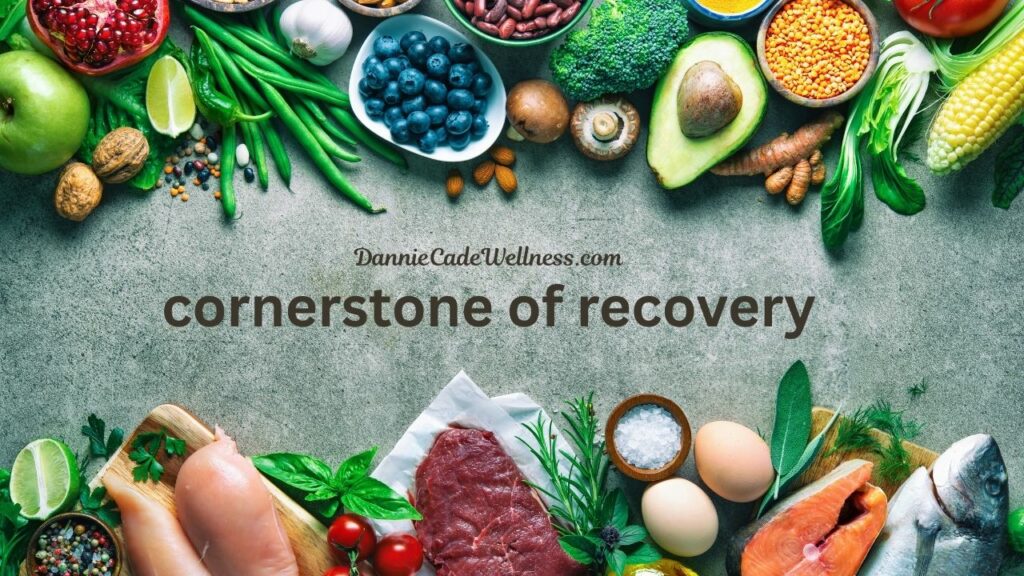
So, the missing piece is clear: Nutrition is not just an afterthought, it’s a cornerstone of recovery, and you do not have to wait for someone else to tell you how to nourish yourself. By focusing on high-quality protein, essential fats, fiber, micronutrients, and easy-to-digest meals, you are actively supporting your healing journey.
In the next blog, we’ll explore practical lifestyle shifts that complement nutrition, including stress reduction, sleep, hydration, movement, and emotional support. These are areas where patients often feel powerless, but even small, consistent steps make a profound difference in recovery and quality of life. For now, remember this: eating is not a task to be endured; it is a powerful tool for healing.

If you or someone you care about is really struggling with eating and nothing I’ve mentioned is working, I get it, been here, which is why I have a free guide of how I managed to get nutrition in when food and I literally divorced, without having to cook or chew. It was a huge struggle at first but it worked, and over time I could start reintroducing chewable foods again.

The right food, in the right form, at the right time, supports every process in your body – from cell repair to immune function to mental clarity. By reclaiming nutrition, you reclaim a critical part of your body’s natural ability to heal. Remember to subscribe, hit the like and tag or share this with someone that you think might benefit from this. Thanks everyone!
Facebook Comments