Turmeric & Cancer – A Story of Promise and Caution
Category: Cancer Nutrition
Turmeric. You’ve seen it in curries, teas, even those golden lattes that pop up on Instagram, but behind the color and the trend, turmeric carries something bigger: a compound called ‘curcumin’, and curcumin has scientists asking serious questions about whether this humble spice can play a role in cancer care.
In the lab, curcumin looks impressive. It reduces inflammation, it neutralizes free radicals, and in some experiments, it pushes cancer cells toward apoptosis (that’s a fancy way of saying it programs cell death.) Think of it as telling rogue cells to go commit suicide. That’s not folklore; that’s biochemistry.
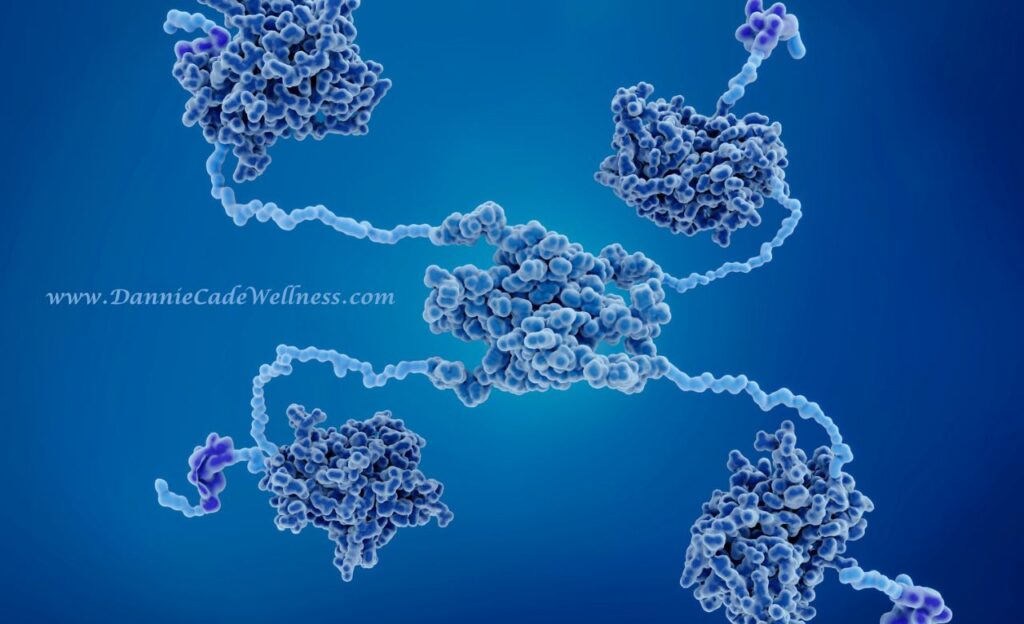
Now on the logical side, most of these results come from test tubes and animal studies. Translating them into human outcomes is a bit more complicated. Clinical trials have been mixed where some shows that curcumin helps chemotherapy work better, eases nausea and helps to relieve fatigue. Others show very little effect.

Part of the problem is that curcumin doesn’t absorb well in the body. You can swallow a capsule, but most of it will pass through without sticking around long enough to do the job. That’s why researchers are experimenting with ways to boost absorption by pairing it with black pepper extract, designing nanoparticles, even curcumin‑loaded gels.
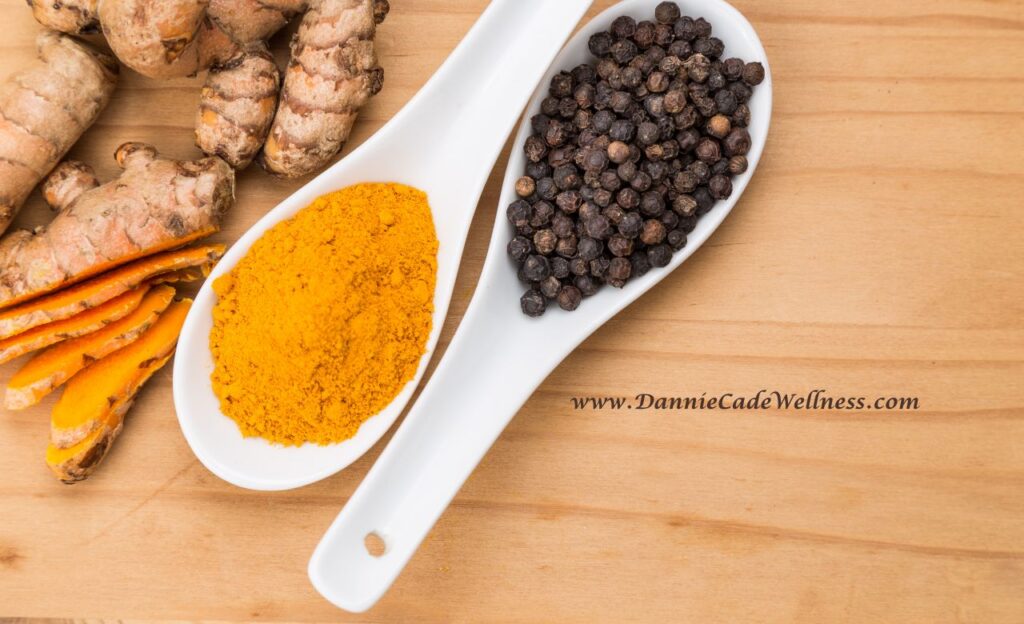
So where does that leave us? Turmeric in food is safe, flavorful, and supportive – Think soups, teas, curries – it’s a food‑first win. Supplements are much trickier. They can interact with blood thinners and some cancer drugs, which is why medical guidance matters, but compared to the side‑effect profiles of most pharmaceuticals, turmeric looks pretty gentle. Again, it’s safe in food, promising in supplements, and dazzling in the lab – and here’s the part that makes turmeric fascinating: it’s easily accessible.
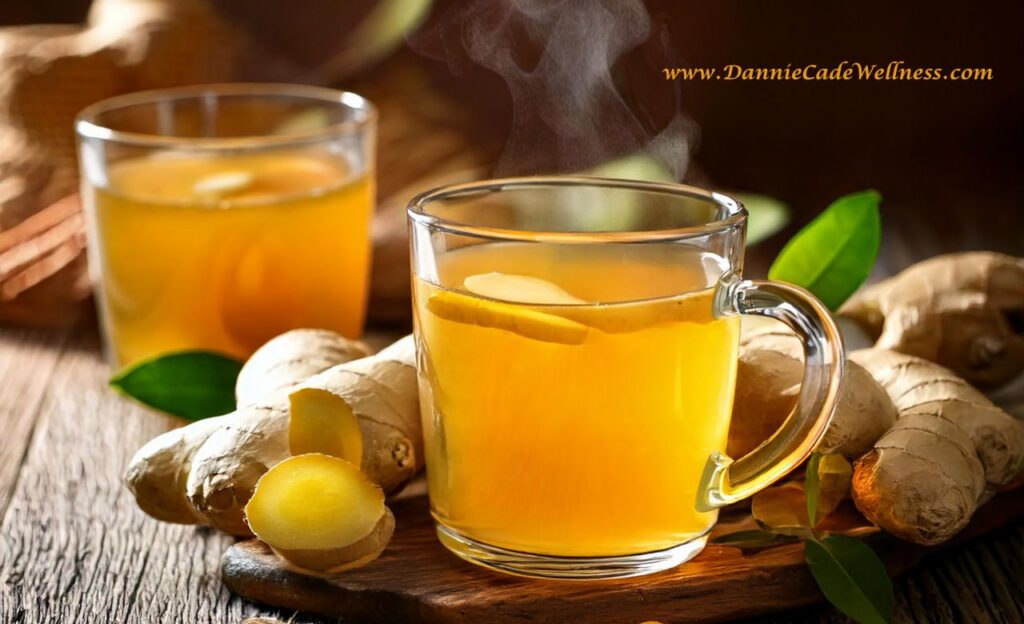
You don’t need a prescription or a fortune, you just need a spice jar and some curiosity. That’s revolutionary, because cancer care is often locked behind walls of cost and complexity. Turmeric says, “I’m here, I’m golden, and I’m for everyone.” Zooming out, turmeric isn’t just about cancer. It supports the gut by strengthening the intestinal lining, balances the microbiome, and aids in digestion.
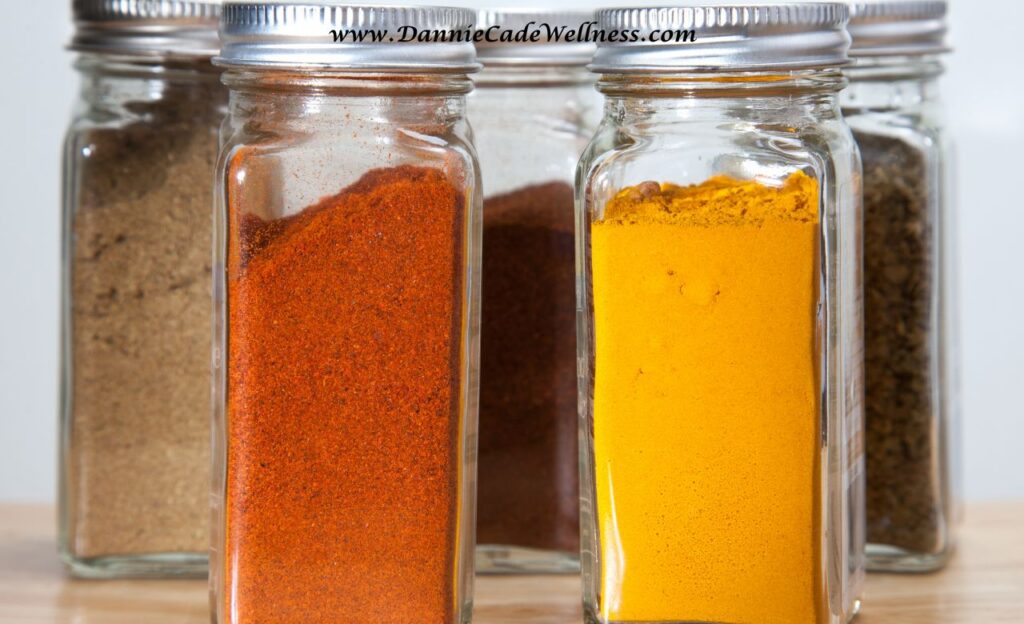
It also calms arthritis, shields the brain and lifts mood by fighting inflammation, stress, and supporting healthy neural connections. It’s like a multi‑tool for human health, but cancer is where the drama lies, because cancer is the ultimate test, and turmeric keeps showing up in the data as a contender. So here’s the takeaway: turmeric is not a cure, but it’s a powerful spice. It’s a bridge between tradition and science, between kitchen and clinic. It’s proof that sometimes the most useful allies are hiding in plain sight, glowing yellow in your pantry.

Picture it:
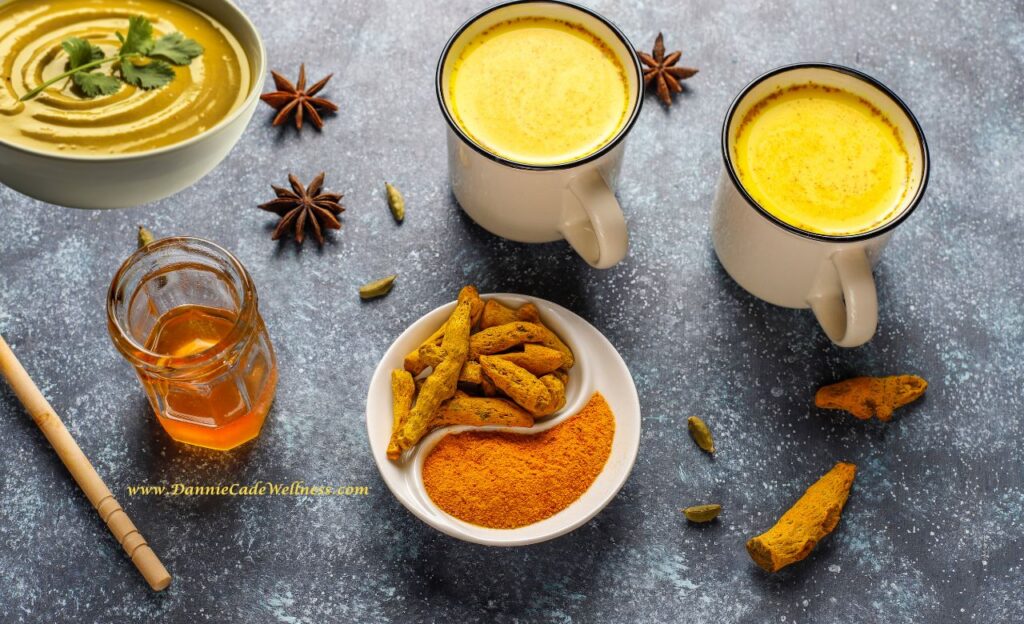
A patient sipping golden broth, not just for comfort but for molecular defense.
A caregiver stirring turmeric into soup, not just for flavor but for hope.
A researcher watching cancer cells shrink under curcumin’s glare.
That’s the story that the golden rebel science can’t ignore, and if you ask me what to do with this knowledge? Start simple. Cook with turmeric. Celebrate its flavor and respect its power. Stay tuned on this, because the science is still unfolding. Every new study adds another verse to the song of this golden spice, and one day, maybe, turmeric will move from supportive ally to frontline fighter.
Until then, let’s honor it for what it is: a spice with muscle, a molecule with promise, and a story worth sharing. Drop a comment if you’ve used turmeric during treatment or recovery. Let’s build a smarter, stronger cancer nutrition community. 📌 Follow for more: https://www.instagram.com/cancernutritionsupport
Subscribe for future episodes on cancer nutrition, resilience, and survivor-led healing.

Facebook Comments