Top 6 Supplements for Cancer Recovery: Safe, Effective, and Backed by Science
Category: Appetite Loss Solutions
When navigating cancer treatment, nutrition is foundational, but sometimes it’s not enough on its own. Side effects from chemotherapy, radiation, or surgery, along with changes in appetite, digestion, and absorption, can make it challenging to get all the nutrients our body needs from food alone. This week is where we look at how supplements and safe add-ons can play a vital role in recovery, especially in cancer.
Although they’re not a replacement for whole foods, they can bridge gaps, support recovery, and give our body the tools it needs to heal and maintain strength. The first step is understanding why supplements are necessary. During cancer our body is under stress on multiple levels. Treatments, inflammation and emotional stress all increase nutrient demand. Deficiencies in protein, vitamins, minerals, and essential fatty acids are quite common, and even minor deficiencies can slow down recovery, reduce energy, or weaken immunity. Carefully chosen supplements can address these gaps and provide support during the most challenging times.

1. Multivitamins and Minerals – Let’s start with a high-quality multivitamin. A good one will ensure that our body has all of the essential micronutrients needed for cellular repair, immune function, and overall metabolism. Look for food sourced formulas that provide 100% of the recommended daily allowances of vitamins and minerals without excessive dosages, as too much of certain nutrients can be counterproductive or even harmful during treatment.
Try to be mindful of marketing tactics as you read the labels, that’s not easy by the way. Micronutrients like zinc, selenium, and vitamin C play critical roles in tissue repair and immune response, which makes a multivitamin an important foundational supplement. Best bet? Stay away from the drug store, superstore warehouse brands. If you know someone in the wellness industry, talk to them about a good multi-vitamin and everything else I’m about to mention. They’ll help you to get quality products that actually work.
2. Vitamin D3 – Vitamin D3, it’s not only vital for bone health but it also supports immune function and mood regulation. Many cancer patients are deficient due to limited sun exposure, or the effects of treatment. Dosages commonly recommended by naturopathic practitioners can range from 1,000 to 4,000 IU per day, depending on blood levels and individual needs, some might even be more like 10 – 30k units until they’re back in the optimal range, that’s why many use blood tests to help to determine where they’re at. Vitamin D supports not just physical health but it can also enhance energy levels and our overall resilience.
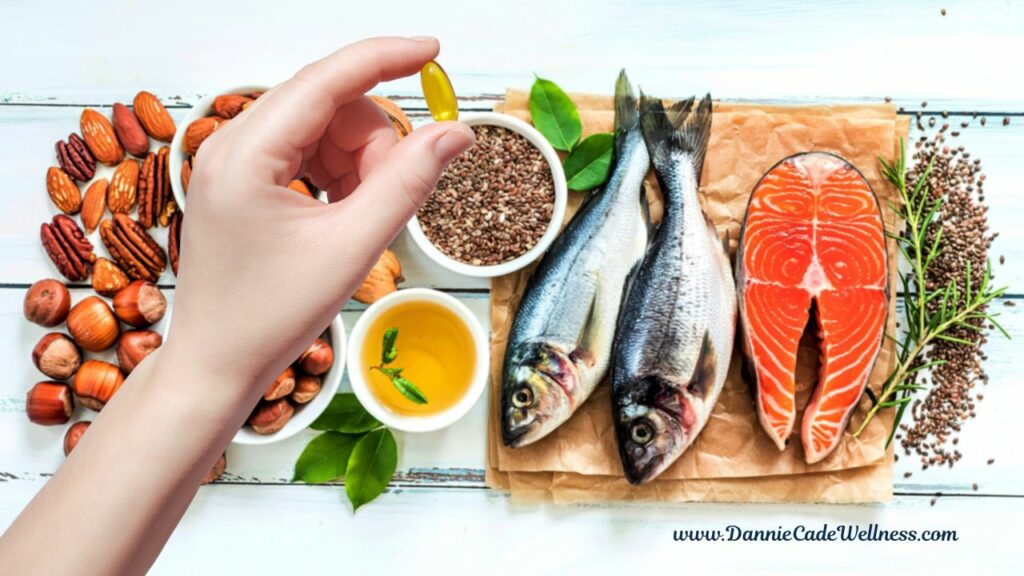
3. Omega-3 Fatty Acids (EPA/DHA) Omega-3 fats from fish oil or algae sources have powerful anti-inflammatory properties. Inflammation is a major challenge during cancer and its treatment and it can worsen fatigue, pain, and tissue damage. Supplementing with 1,000 to 3,000 mg of combined EPA/DHA daily can help reduce inflammation, support muscle maintenance, and even improve cognitive function. I’ve even heard of way higher dosages than that like 2 – 3 grams daily. Again, stay away from chain store brands because choosing high-quality, purified fish oil is critical if we want to avoid contaminants like mercury.
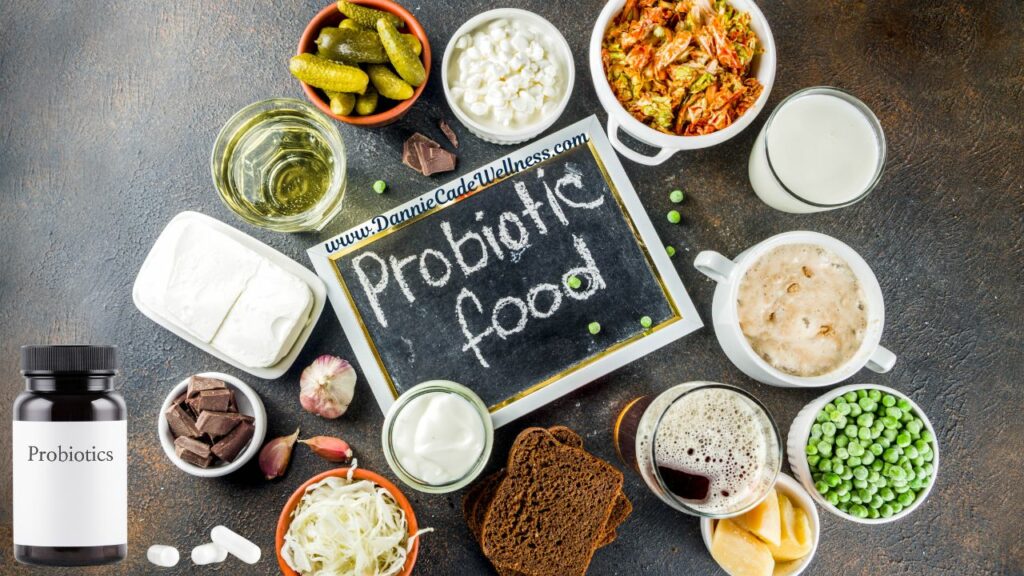
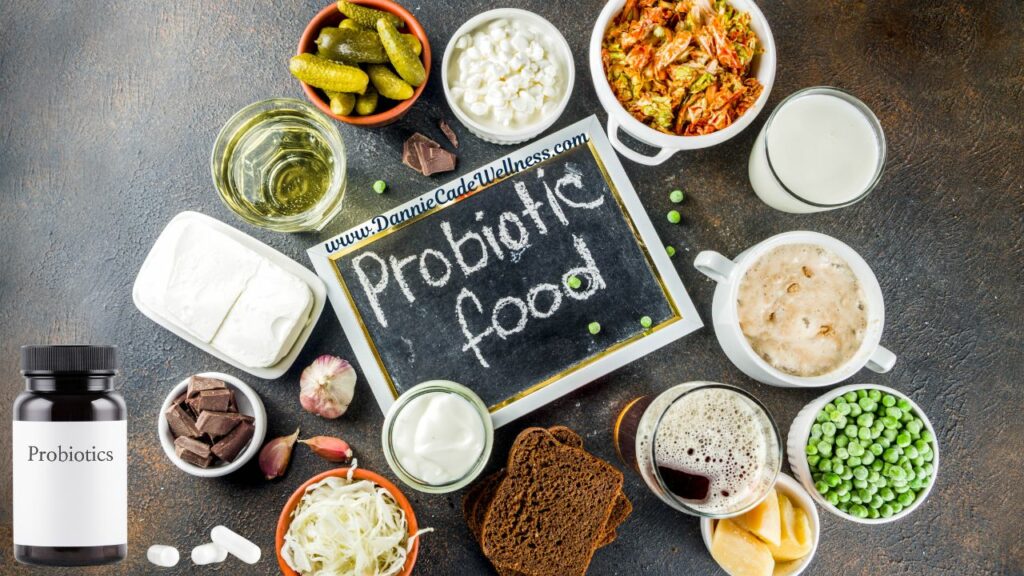
4. Probiotics and Gut Health – Treatment and stress often disrupts the gut microbiome, which affects digestion, immunity, and overall recovery. Probiotics can help restore our beneficial bacteria. Dosages of 10–50 billion CFU daily are common, but it’s important to select strains that have been studied for immune and digestive support. Make sure that the product you choose guarantees live delivery, otherwise you’re paying big bucks to swallow dead bugs. Incorporating fermented foods like yogurt, kefir, or kimchi can complement probiotic supplements for even better results.
5. Magnesium Magnesium supports muscle relaxation, sleep, and nervous system function. Many patients experience cramps, insomnia, or stress-induced tension and headaches, which magnesium can help mitigate. Typical dosages range from 200–400 mg per day but it could be more, and it’s best absorbed in chelated forms or magnesium glycinate. This simple mineral can have profound effects on comfort, rest, and recovery, especially if taken before bed.
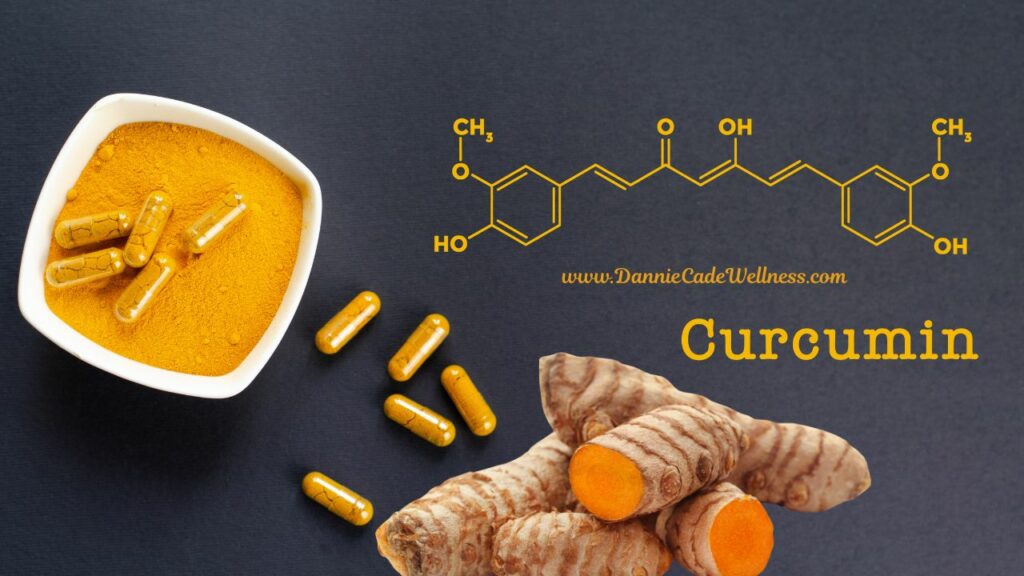
6. Curcumin / Turmeric Extract – Curcumin is the active compound in turmeric known for its anti-inflammatory and antioxidant properties. In cancer care, inflammation is a common barrier to healing and can worsen side effects from treatment. Supplementation typically ranges from 500–2,000 mg per day, often paired with black pepper extract to improve absorption. Curcumin can support tissue repair, reduce discomfort, and aid overall resilience.
When considering supplements, you’ll want to follow a few key principles: Quality over quantity: Not all supplements are created equal, far from. Look for products that are third-party tested and free from unnecessary fillers, sugars, artificials or additives. That’s the biggest reason I suggested talking to someone in the wellness industry, they’d know. If you don’t know someone like that, well, you do now cause you’re looking right at her. Drop QUALITY and I’ll get in touch with you, and if you’re really lucky I’ll even show you what I use.

Last but not least, Safety first: Always discuss new supplements with your oncology team. While most foundational supplements are safe, some can interact with medications or affect treatment efficacy.
If you’re going to do this, consistency matters: Supplements work best when taken regularly and in combination with nutrient-rich foods. If eating has become too difficult to make this work, drop HELP and I’ll give you my free guide of what I did when I couldn’t get food down either.
Skipping doses or relying solely on pills without dietary support reduces effectiveness, so if you or a loved one aren’t eating, again, grab my guide by dropping HELP.

If you can still eat and you do decide to take supplements, track any and all changes: Notice how your body responds. How’s your energy, digestion, sleep, and overall mood? All of that can provide feedback on whether a supplement is helping you or not.
Supplements are empowering tools. They allow us to actively participate in our healing journey. When chosen wisely, they complement whole foods and lifestyle changes to create a comprehensive recovery plan. They’re a tangible way to support our body, reduce side effects, and protect our strength while undergoing treatment.

Finally, it’s important to remember that supplements are only one piece of the puzzle. They work best alongside the lifestyle changes we hit on last week – balanced nutrition, hydration, movement, emotional support, and sleep routines. Taken together, these strategies create a full-spectrum approach to recovery — one that addresses the whole person, not just the disease.

In the next blog, we’ll explore the emotional weight of cancer, a side of healing that’s rarely discussed but has a profound impact on recovery, appetite, and resilience. We’ll go over some strategies to manage PTSD, guilt, anxiety, and isolation in the name of helping you to reclaim your emotional as well as physical strength. By integrating the right supplements with food and lifestyle practices, we can begin to give our body what it truly needs to repair, strengthen, and thrive – even during treatment. These steps are not a replacement for medical care, but they are a vital complement that gives us agency and hope. We’re not powerless; we can support our body, mind, and recovery every single day.
Do you have your free membership to my wellness hub yet? Get it here:
🔗 www.DannieCadeWellness.com
Looking for more help with cancer struggles? Follow me here:
📲 Instagram: @cancernutritionsupport


Facebook Comments