Tanning beds don’t give you vitamin D, they give you cancer. Here’s what you need to know.
Category: Cancer Prevention
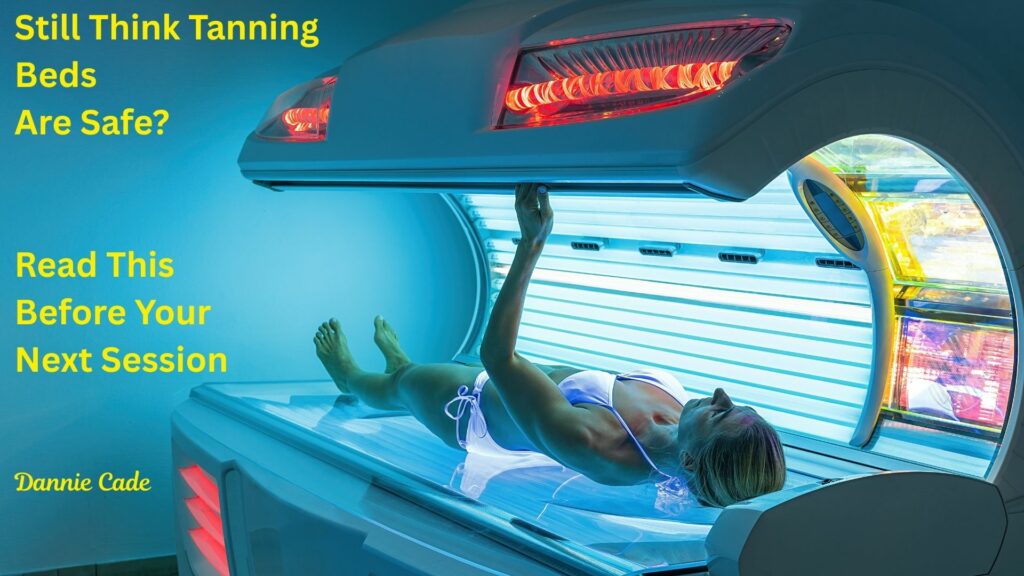
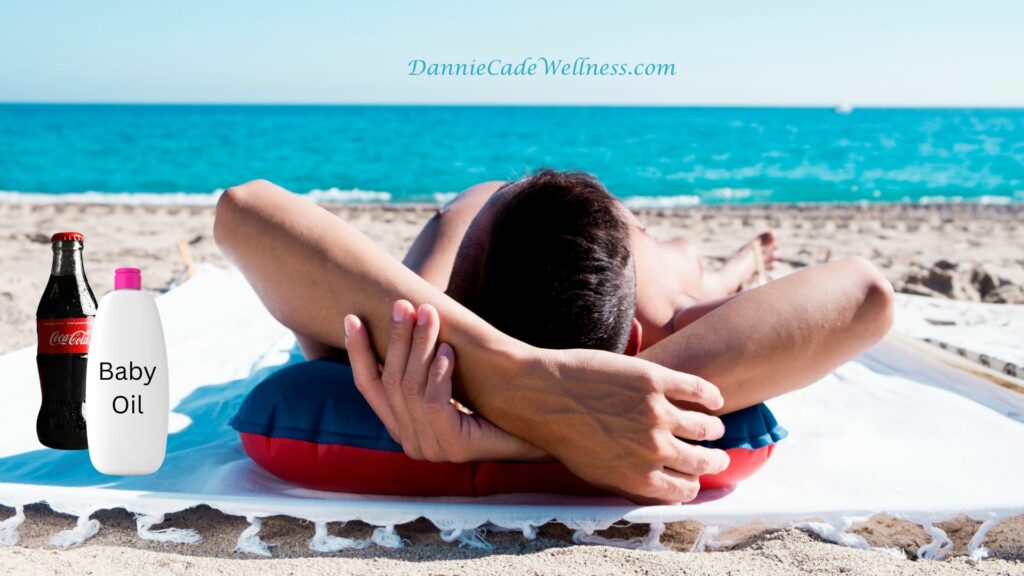
Do you remember when we were growing up, we’d lie out on loungers or blankets with baby oil, no sunscreen, and a bottle of coke for tanning? We were told that sunlight was good for us and that the darker we got, the better we looked. Then later on, we were told that tanning beds were safer and that they could give us vitamin D too.
I believed that and so did a lot of other people, but what if I told you that entire idea, the one where tanning beds are a “healthy” source of vitamin D, is not just misleading … it’s a dangerous lie?
Many people use tanning beds to trigger a temporary mood boost because they stimulate endorphin release, which is why some people feel almost “addicted” to that warm, relaxed feeling, especially during the darker months.
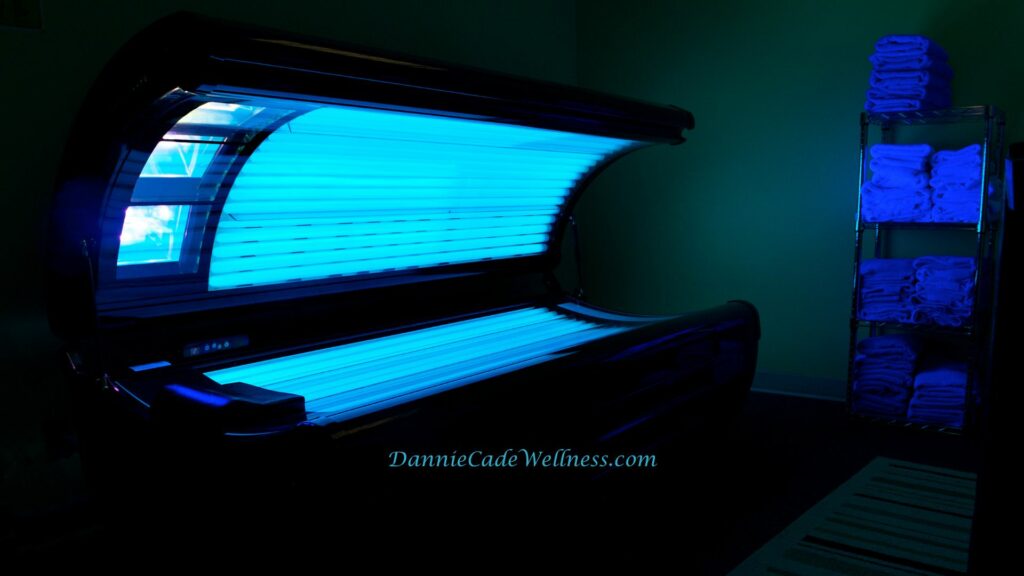
Yes, it’s true that your body can make vitamin D when UVB rays from the sun hit your skin, that part isn’t a lie, but the story doesn’t end there because most tanning beds? They don’t emit UVB, they use UVA light, which doesn’t help your body produce vitamin D at all. So what are you really getting when you tan?
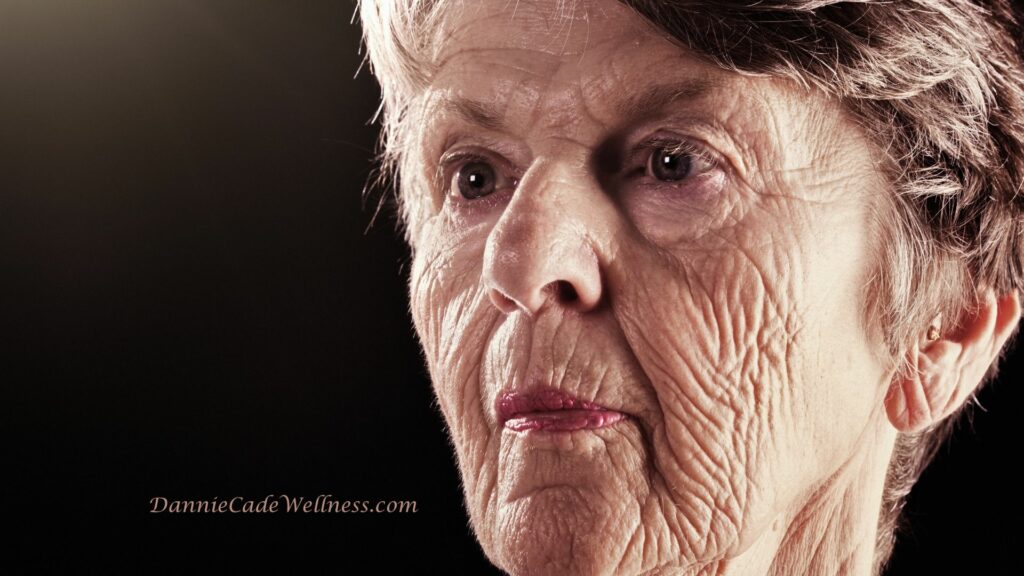
Damage. You get accelerated skin aging, DNA mutations, and a massive increase in skin cancer risk – all without the vitamin D benefits you were promised. What most of us don’t realize is that tanning beds are classified as a Group 1 carcinogen, the same category as tobacco and asbestos. That means that the World Health Organization ranks them as “known to cause cancer in humans“.
Not “maybe,” not “in excess,” just known and still, they’re legally marketed as something beneficial for wellness, and sold as a safe beautification tool.
Did you know that using tanning beds before the age of 35 increases your risk of melanoma by 75%? Not slightly, not maybe, that’s a full-on 75% spike in risk just from early use. That’s not a wellness tool, that’s a cancer time bomb dressed up as a glow.

This matters, especially for people who are already sick, immunocompromised, or already navigating cancer. Yes we’re told we need more vitamin D, and we do because low levels are linked to poor immune function, higher infection rates, fatigue, and mood disorders … but when the solution is being marketed as a tanning membership? That’s not health, that’s profit over people.

Now let’s talk about the reality. The same feel-good effect can be achieved safely with a full-spectrum light therapy lamp, without exposing your body to the cancer-causing UVA rays, but the most effective and safest way to increase vitamin D isn’t with a UV lamp, it’s with oral supplementation, ideally in the form of D3 with K2.

Why K2? Because vitamin D helps you absorb calcium, but K2 makes sure that calcium goes where it’s supposed to – into your bones, not your arteries – and without K2, high doses of D3 can do more harm than good. So when you see those influencer posts claiming they “get their D naturally” from the tanning bed, ask yourself this: Are they sharing the whole truth? Because here’s what the research shows:

Just 10–15 minutes of midday sun on arms and legs, a few times a week in the summer months, is usually enough to maintain D levels if you live near the equator but for most of us, especially in Canada, the UK, or parts of the US and Australia, the angle of the sun in fall and winter makes natural D production impossible for half the year.

Add cancer, chronic illness, gut issues, or darker skin tones into the mix? You’re even more likely to be deficient and even less likely to benefit from sun exposure alone. So what’s the best thing to do? Test your levels. The gold standard is a blood test for serum 25-hydroxyvitamin D, and if your levels are below 50 nanomoles per liter (or 20 nanograms per milliliter) , you’re deficient.
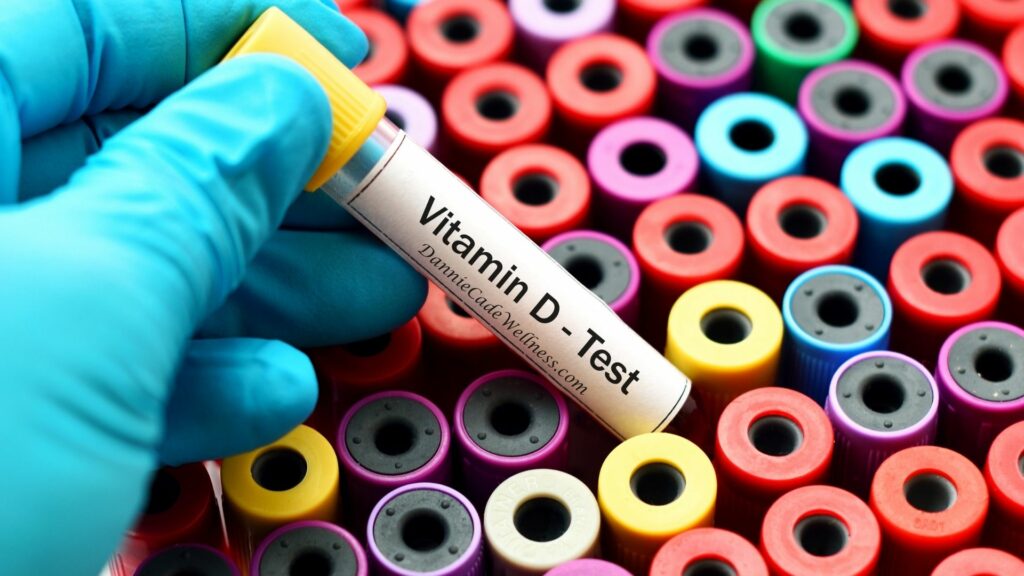
If that’s the case, we need to supplement smartly. Most adults do well with 1,000 to 4,000 IU per day of vitamin D3 paired with 90 to 200 mcg of K2 (MK-7 is best). If you’re deficient, immunocompromised, or living with cancer, your practitioner might recommend a higher therapeutic dose like several of mine have.
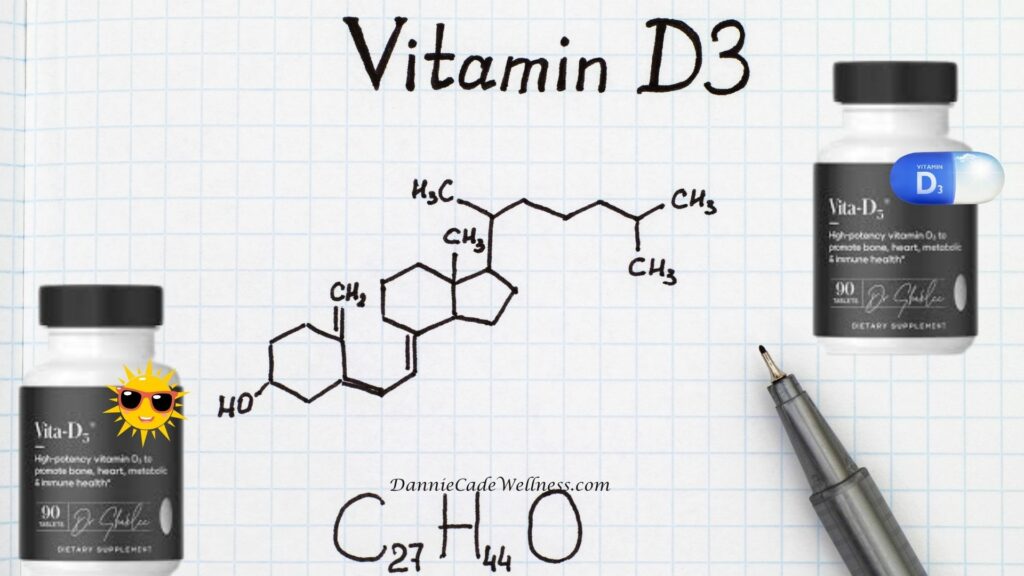
It’s important that we stop chasing the lights that burn because a tan is not a badge of health, it’s a sign of DNA damage. What most of us don’t realize is that our body darkens to protect itself, not because we’re thriving. I know, that sucks and I’m sorry, I love a good tan too but…..here’s why this matters:
Right now, melanoma rates are exploding, especially among young adults and women under 40 and part of the problem is that indoor tanning is still being marketed as a “vitamin D booster,” and people are paying for that lie with their lives.
The beauty industry doesn’t talk about that and neither do most wellness influencers, but let’s be honest about this – no tan is worth cancer, and you don’t need to trade skin damage to gain certain nutrient levels.
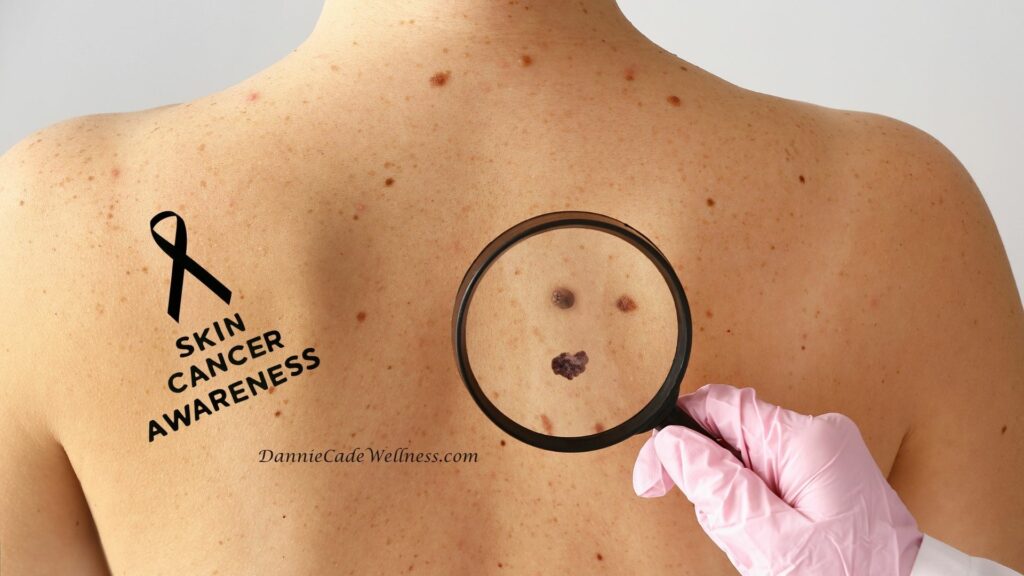
You can be pale and well, and still have full vitamin D stores in your body without a single trip to a tanning bed. That’s what real wellness is, so if you’re hearing the pitch “Just 10 minutes in the bed,” “Vitamin D, naturally,” or “Glow from the inside out,” ask yourself, who benefits when you believe that?

Because it won’t be your immune system, it won’t be your skin and it sure as hell won’t be your future self trying to survive melanoma in your thirties plus. Please, don’t fall for it because a tan might look good for now, but the damage it leaves behind doesn’t show up until later, when it’s already too late.
Here’s the bottom line:
- Tanning beds do NOT raise vitamin D. They emit UVA, not UVB.
- UVA causes premature aging and skin cancer, not vitamin D production.
- Most people need oral supplementation to safely raise their levels, especially in the fall/winter.
- Best bet? Vitamin D3 paired with K2 to guide calcium into bones, not arteries.
- Get tested, don’t guess. Aim for 100–150 nmol/L (or 40–60 ng/mL).
- Don’t let your health be sold to you in a glow-wrapped lie.
Get more health and wealth wisdom when you want it here, it’s free for all of my readers to enjoy: https://www.danniecadewellness.com
Facebook Comments