Cancer Weight Loss Explained: What Cachexia Really Is and How to Help
Category: Appetite Loss Solutions
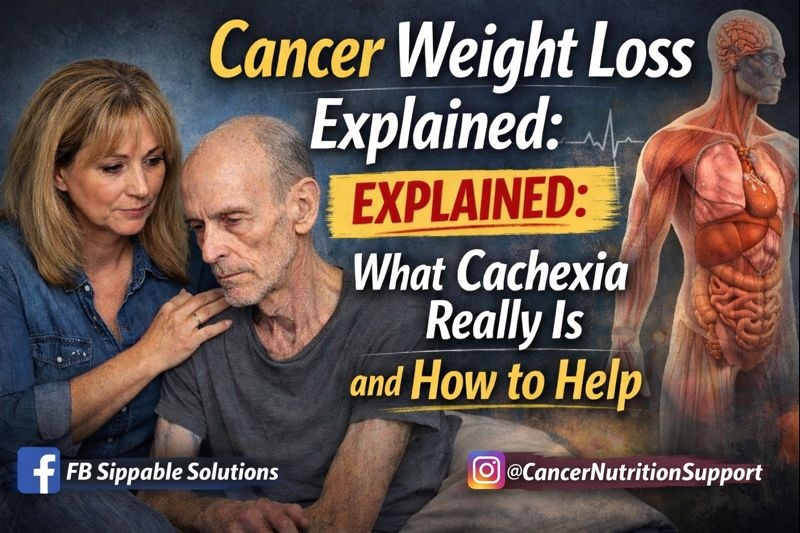
Helping a Cancer Patient Understand Unexplained Weight Loss
If you are helping a cancer patient who is losing weight and strength, there is something critical you need to understand that is almost never explained clearly. Many people assume weight loss during cancer is simply part of the disease and are told that if the patient could just eat more, everything would improve. While that idea is common, it is often dangerously incomplete. What I want to talk about is cachexia.

Cachexia is a wasting syndrome that affects an estimated 30 – 50% of people with cancer, and up to 80% of those with advanced or aggressive disease. It causes the body to lose muscle and weight in ways that are not voluntary and not fully reversible with food alone. That distinction matters.
Cachexia is not deliberate starvation, it’s not poor effort, and it’s not a sign that the patient is giving up. I was even accused of starving myself on purpose by a nurse, which shows how misunderstood this condition still is. Can you imagine how I felt? That’s like saying I’m deliberately being diabetic.

In cachexia, cancer fundamentally changes how the body uses energy. Tumor-driven inflammation, chronic stress, medications, and treatments all disrupt normal metabolism, and the body enters a constant breakdown state.
Muscle is broken down for fuel even when calories are coming in, even when someone is still eating, even when caregivers are doing everything they can…for a reason.

In early-stage cachexia, people may eat without obvious difficulty and still waste away. This is where many families are blindsided.
They see the weight dropping, strength fading, fatigue deepening, yet the advice never changes. Eat more. Try harder.
Add calories … but cachexia does not respond to calories the way normal weight loss does.

That mismatch creates enormous guilt and confusion. Caregivers feel like they are failing, patients feel like their bodies are betraying them, and no one knows how to name what is happening, or what to do next.
What makes cachexia even harder is that it often begins quietly, sneaking up on us like a cat in hunting mode. Subtle muscle loss and metabolic changes can start months before someone looks visibly frail.
Strength, immunity, and tolerance to treatment can be affected long before the weight loss becomes obvious.
When cachexia goes unrecognized, people end up suffering more than they need to.
Treatments become harder to tolerate, independence is lost sooner, and quality of life declines – Yet cachexia is still rarely screened for, rarely discussed, and rarely explained.
There is no single cure for cachexia, and anyone promising one is not being honest. But that doesn’t mean that nothing can be done about it.
Early recognition matters. Supportive care also matters, and so does individualized nutrition – not as a cure, but as part of a broader strategy.
Symptom management matters, realistic goals matter but most importantly, understanding matters. When cachexia is recognized and named, everything changes.
Food stops being a battleground, care shifts from blame to support and patients feel like they are treated as people experiencing a known medical condition, not as problems that need to be fixed.

If you’re a caregiver who has begged, cooked, pushed, or cried over untouched meals, this is not because you failed – you simply need a different approach, one that is easier on both you and your person you’re helping.
If you are a patient who has watched your body shrink despite trying, this is not because you didn’t fight hard enough, you need a different easier way, of getting what your body requires.

Cancer isn’t just about tumors, it hijacks the entire body, breaking down muscle and energy even when someone is eating. That makes weight loss and weakness part of the disease itself.
Cachexia deserves to be talked about openly, early, and honestly – not after the damage is done, and not as an afterthought.
Unexplained muscle and weight loss in cancer is not just a symptom, it’s a condition, and recognizing it sooner changes everything about how people are supported through this disease.

When I was going through this myself, my naturopath explained that our body uses far more nutrients than normal during cancer because it’s working relentlessly to fight the disease and survive.
When eating becomes difficult or impossible, the body enters a downward spiral – progressive malnutrition in short. It’s like asking a race car to win without any fuel in the tank. Good luck.
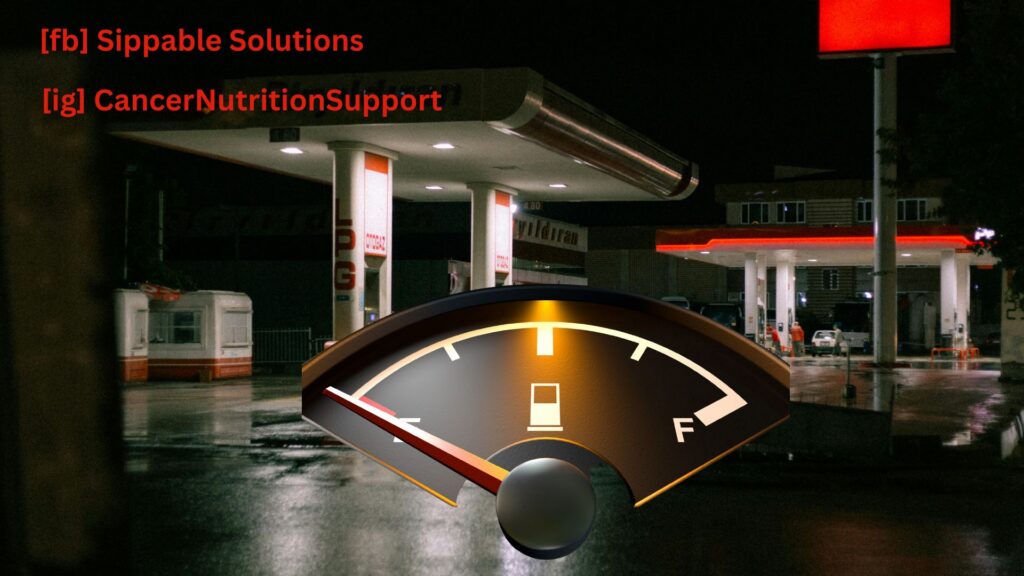
I lost 100 pounds in roughly three months, was running out of weight to lose, running out of life, and my battery was all but empty when I was finally shown a different way forward.
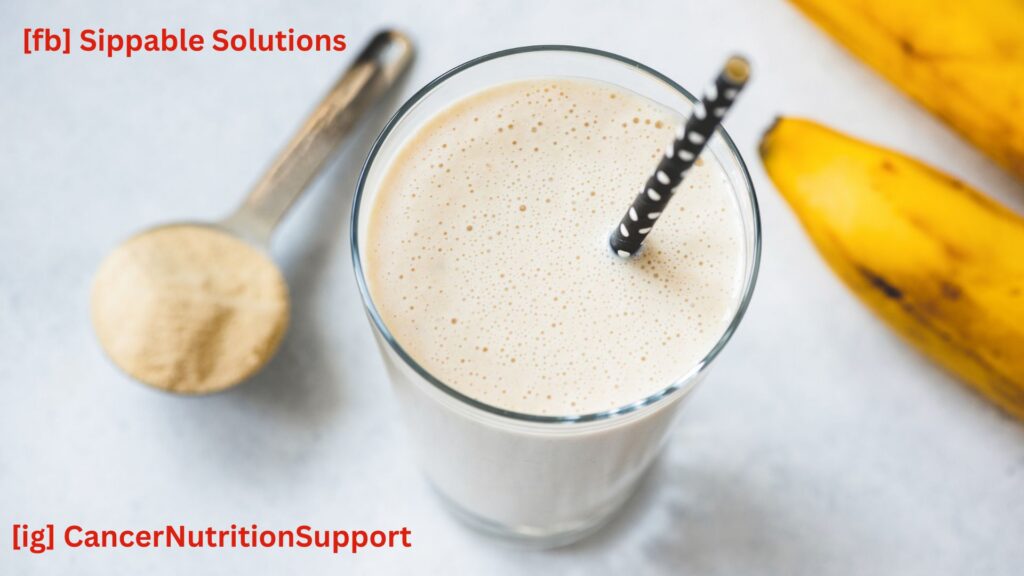
A meal in a glass that’s completely balanced, perfect for cancer patients, easy to do and very sustainable.
What I call “Sippable Solutions” worked so well for me that I turned it into a guide, a guide that has since helped many others slow down wasting, regain strength, energy, and tolerate treatments better.
If this is resonating with you or you want to know more about how I reversed my cachexia, drop the word FUEL in the comments, follow me so I see it, and watch for my reply with the guide.
It’s the most effective way I know to help people facing this fight, including you and yours.

Facebook Comments