Cancer Hydration Tips: What to Do When Water Alone Won’t Keep You Healthy
Category: Cancer Nutrition
Dehydration is one of the most common reasons cancer patients end up in the hospital and ironically, the very thing we’re told to drink, plain water, often becomes the hardest thing to tolerate. Today, I want to go deeper into why that happens while sharing some practical hydration strategies that actually worked for me and for others I’ve supported, even when our stomachs and taste buds were completely overwhelmed.

Plain water isn’t absorbed as efficiently as most people think. Without electrolytes like sodium, potassium, and magnesium, water can just pass through the gut, sometimes making diarrhea worse.
Chemo, radiation, or surgery can damage the gut lining, which further reduces absorption.
Add in nausea, taste changes, or that metallic tang, and suddenly water feels more like a burden than a relief.
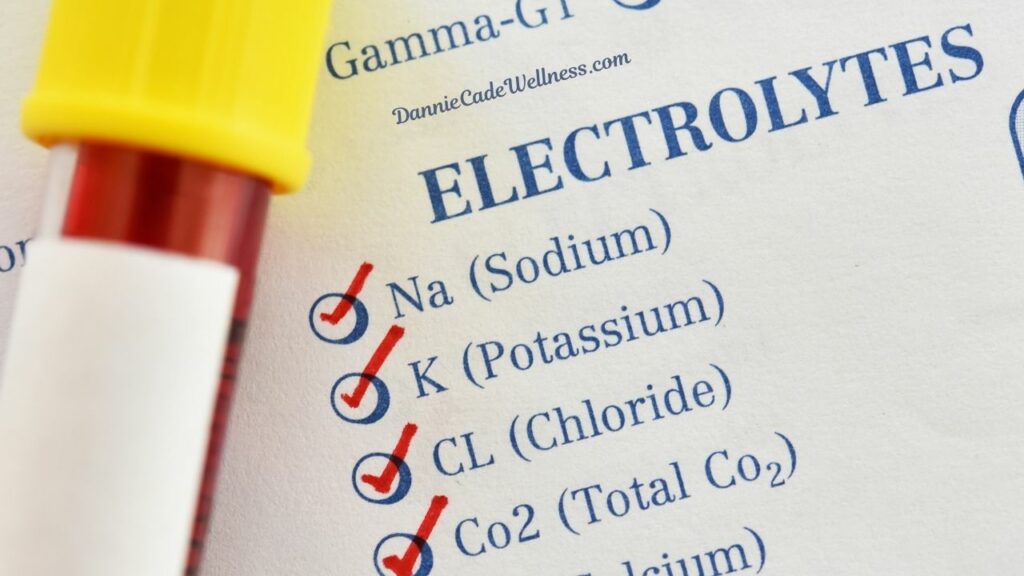
That’s why we can drink plenty of water and still end up dehydrated, and often we don’t realize what’s going on until it’s become a serious problem. Of course, there’s the obvious signs like dry mouth, dizziness, or dark urine, but cancer patients also need to watch for the subtle red flags like a racing heartbeat when we stand up, headaches or brain fog that mimic chemo side effects, sudden fatigue or muscle cramps even after resting, and constipation – that’s actually dehydration in disguise.

These are all warning signs that our bodies aren’t keeping up with fluids.
So what can we do when plain water just isn’t enough?
One of the simplest and most effective solutions is warm, mineral-rich broths.
They do more than just hydrate, they deliver sodium and potassium for absorption, stimulate digestion through the vagus nerve, and provide gentle calories alongside fluids.
Think miso broth, mineral vegetable broth, or slow-simmered bone broth.
Even just a few spoonfuls per hour can make a big difference.

Something else that I’ve seen again and again, especially near the end of life is people craving carrot soup, and that’s not random by the way. Carrots are naturally sweet, so they’re well tolerated even when other foods taste bitter or metallic. A simple basic carrot soup is not only hydrating, soothing, and light on the stomach, it’s also grounding, literally pulled from the earth, and on a deeper level, it carries comfort.

Nutrition isn’t just about calories or electrolytes, sometimes, something as humble as carrot soup carries as much healing power as a supplement, because it makes the body feel safe and cared for and for many of us, it’s tied to childhood memories of being cared for. Just as carrot soup provides comfort and nourishment when our body and mind are stressed, there are also science-backed ways to support hydration at a cellular level.
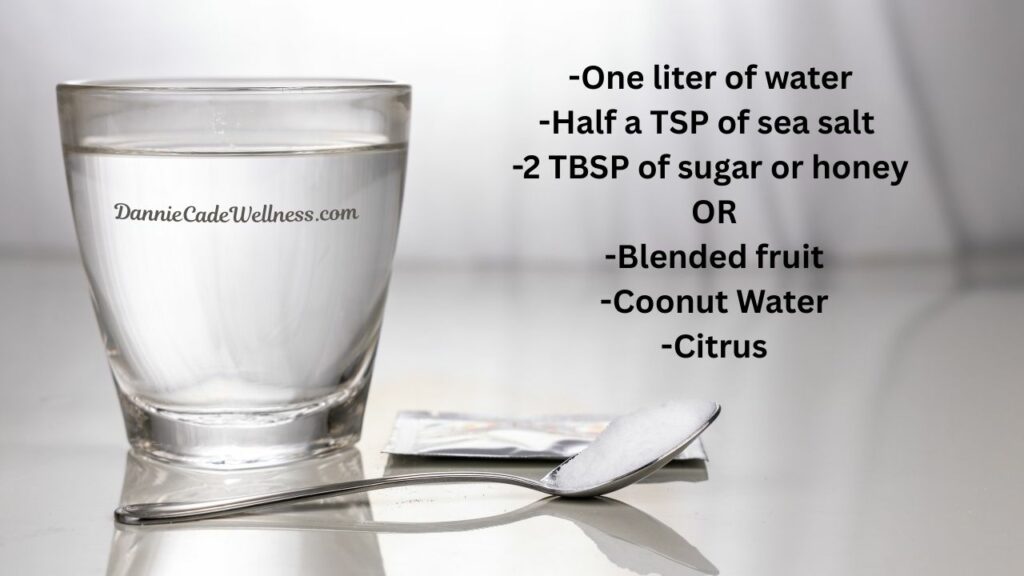
One of the most reliable is the DIY oral rehydration recipe:
One liter of water, half a teaspoon of sea salt, and two tablespoons of sugar or honey.
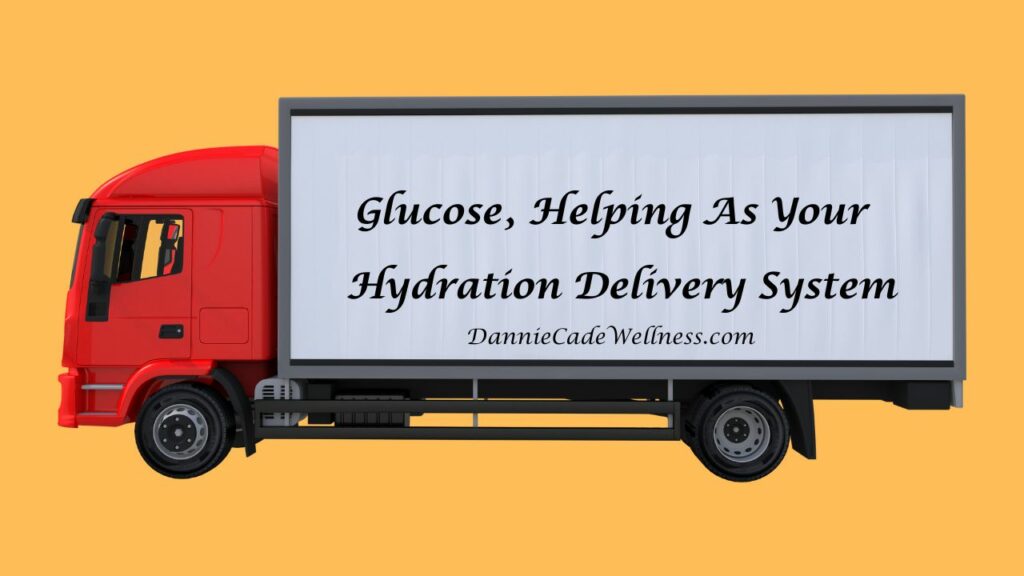
I know, sugar!!! YIKES!!!! Some of us cringe at that because we’ve been taught to avoid sugar during cancer, but here’s the truth: Sugar is a transporter. Sodium alone doesn’t cross into the bloodstream well.
That glucose acts like a shuttle, pulling both water and electrolytes into our cells.
That’s why these oral rehydration solutions are used worldwide and have saved millions of lives.

The gentler options I prefer? Fruit. Like I listed i the recipe above, a squeeze of citrus, a bit of coconut water, or blended ripe fruit all provide natural glucose and potassium, without refined sugar.
The point isn’t to load up on sugar, it’s that without a little glucose, water and salt just pass through and won’t hydrate us. In this context, sugar isn’t the enemy, it’s a delivery system our cells need to survive.
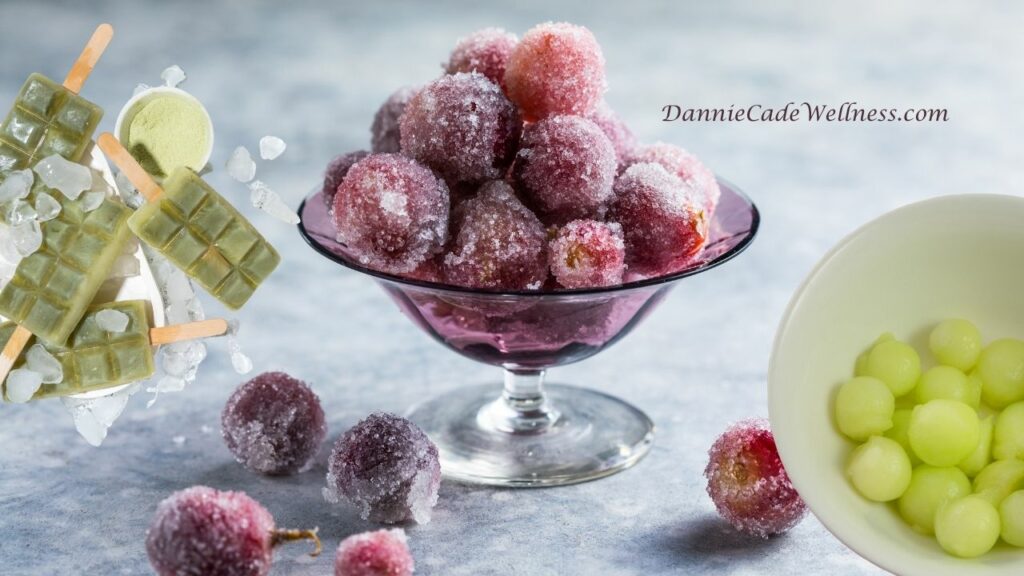
If nausea or mouth sores make fluids unbearable, frozen hydration can help.
Electrolyte ice cubes to suck on, frozen grapes or melon balls, or herbal tea popsicles.
The cold numbs nausea triggers and makes fluids easier to tolerate.
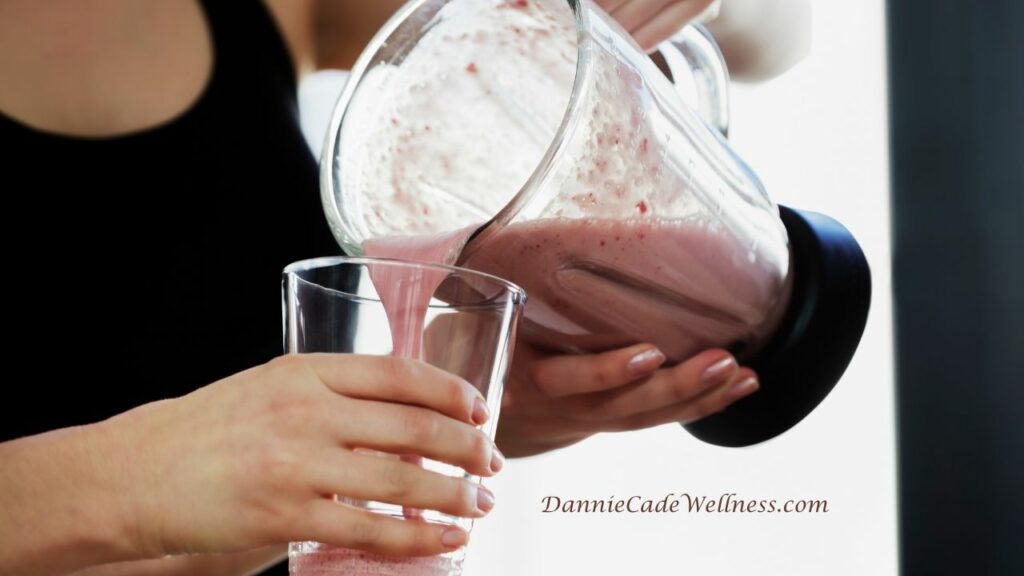
Another option that worked well for me, and for many others, is a nutrient-rich liquid meal replacement that also provides electrolytes, and I don’t mean the typical store-bought ones. When you find a good quality one like what I use, it hydrates while delivering protein, essential vitamins, minerals, and the gut support our body desperately needs for recovery. Hydration and nourishment together, covering two needs with one solution.
Even with these strategies, taste changes are real. What we tolerate today might taste completely disgusting tomorrow. That’s why it’s so important to have options and rotate a variety of flavors.
Keep three or four bases in rotation: citrus water, hydration formulas, mild herbal teas, diluted juice, liquid meals of different flavors – it prevents us from hitting that hard stop.

Remember: dehydration isn’t always about volume, it’s about consistency. Try setting a timer for every 15 minutes and take just one sip. By the end of the day, those tiny sips add up to liters, without overwhelming the stomach. And here’s a piece most people miss:

Digestion and hydration don’t happen when our nervous system is stuck in fight-flight-freeze. Trauma, stress and fear can literally switch off our gut function. That’s why grounding matters. Take a few deep breaths before sipping while standing barefoot on the earth, or even pause long enough to smell your broth before drinking. These simple steps send the signal that we are safe and only then does the gut allow hydration in.

Hydration isn’t about forcing down eight glasses of water, it’s about fueling our cells with the right balance of fluids, electrolytes, nutrition, and calm digestion.
When water isn’t working, we have options: Broths, carrot soup, electrolyte sips, herbal tea, fully balanced liquid meals, frozen hydration, and grounding practices. This isn’t just about “staying hydrated,” this is about protecting our strength, our immune system, and our recovery.
If you or someone you love is struggling with hydration and nutrition during treatment, comment HYDRATE and I’ll send you my free guide, it’s the same one that kept me from going back to ER after the first time, when nothing else worked.

Follow me @CancerNutritionSupport for strategies that go beyond “drink more water,” from someone who’s lived it, and let me know in the comments what you found to be the most helpful, I’d apreciate it a lot! Make it a great day!
Facebook Comments