Cancer Diagnosis as a Wake-Up Call: How to Reclaim Control and Heal (Episode 1)
Category: Cancer & Emotional Wellness
When someone hears the words “you have cancer,” their world instantly shifts, I know mine sure did. Everything familiar feels unsteady. Our body, our routine, our relationships, even our sense of self – everything changes, and while most people understand cancer as abnormal cells multiplying uncontrollably, the real meaning goes much deeper. It affects our mind, our body, and the way we experience life itself.
Cancer begins at the cellular level, yes. Cells that should die or stay in their lane start multiplying, forming growths that disrupt healthy tissues, but the diagnosis is more than biology, it’s a signal that our body is out of balance, that it needs help. It’s also a moment that can prompt profound reflection. Some of us ask ourselves: What do I truly need to heal? What parts of my life and my body have been ignored or neglected?
The first reaction is almost always shock. Even if we’ve suspected something was off, hearing “cancer” freezes time. Our mind races and then goes blank. Fear arrives next, and it’s fear of the unknown, fear of what they’ve suggested for treatments, fear of pain, fear of leaving loved ones behind….and that’s entirely normal. It’s human. It’s our body and mind reacting to a sudden, extreme threat.
Alongside fear comes a deep sense of loss. Daily routines no longer belong to us. Our calendar is now dominated by scans, labs, appointments, and treatments. Work, social life, and hobbies are disrupted or put on hold. We might even feel powerless, as if our life is no longer our own. This sense of lost control can be one of the heaviest burdens of all.
Although cancer takes away certain freedoms, it can also be framed as a call to action. There are elements that we can control, like what treatment plan we decide to go with. We can talk to a naturopath to learn other options that might not have been mentioned, how we support our body, how we nourish ourselves, and how we care for our emotional and mental well-being. Reclaiming even small areas of control can have profound effects on how we experience recovery.

The emotional impact of a diagnosis is immense, I know. Many patients feel guilt or shame: guilt for becoming sick, burdening their families, shame for feeling weak, or self-blame for perceived lifestyle “mistakes.” This emotional weight can be as debilitating as the physical effects of the disease itself. Acknowledging that these feelings are normal, validating them, and seeking support are critical first steps toward regaining stability. We’re not weak for feeling afraid or overwhelmed, we’re human.

Cancer also challenges our identity, sometimes we don’t even remember the person we were before the diagnosis. That person who worked tirelessly, who cooked for everyone, who carried the weight of responsibilities suddenly all feels so distant or unattainable. Our body feels foreign, sometimes hostile, as nausea, fatigue, and pain take center stage. Regaining a sense of self requires compassion, patience, and the understanding that healing is not a race, it’s a journey.
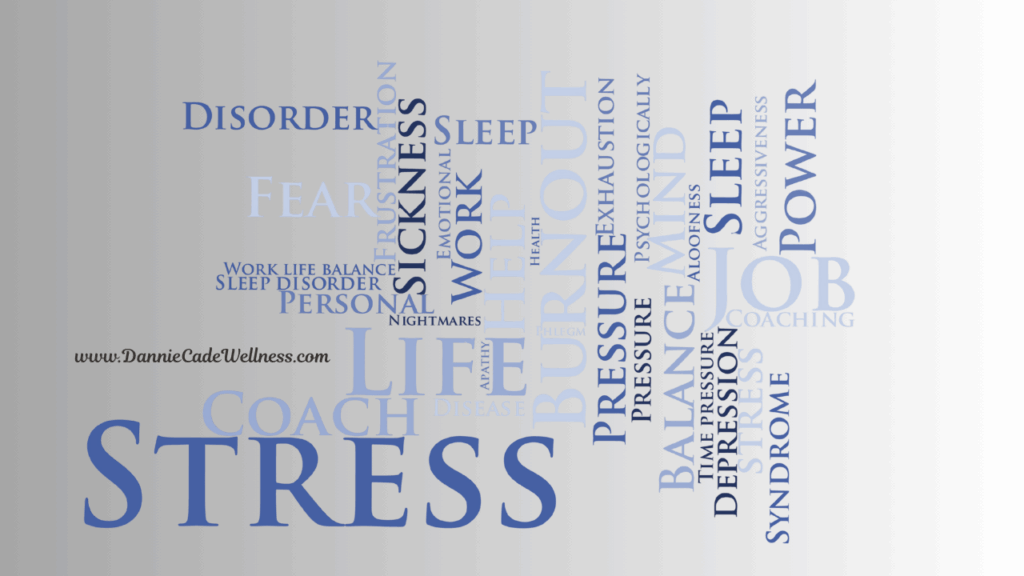
Another layer that many people overlook is the physiological stress cancer imposes on the body. Beyond the tumor itself, the emotional and physical stress triggers a cascade of hormonal changes. Stress hormones like cortisol can suppress immunity, increase inflammation, and disrupt our appetite and digestion. This means that even meals, sleep, and simple activities become harder. Recognizing this connection between our mind and body is essential. We cannot heal our body without tending to our emotional and mental state as well.
So, what does “having cancer” really mean? It means our body is signaling that something has gone awry, and it’s asking for help in ways that are both visible and invisible. It’s a disruption that calls for attention, care, and intentional action…but it’s also an opportunity. An opportunity to understand our body deeply, to rebuild our strength, and to reassess our priorities.
This framing of seeing cancer as both a challenge AND a call to action can empower any patient. It doesn’t take away the gravity of the situation, but it offers a perspective that restores some agency. While we can’t always control the tumor itself, we CAN control how we support our body. We can decide to feed it properly, hydrate it, move it gently, protect our rest, and care for our emotional health in whatever ways work best for us.
If you’re just recently diagnosed with cancer yourself, the first step is understanding that you are not alone. Shock, fear, grief, and anxiety are normal. Support networks, whether family, friends, or patient groups, are essential. Sharing your experience, even a little, lightens the burden and reminds you that cancer does not define you.
Healing is multifaceted. The medical system addresses the tumor, but your body’s recovery, energy, and resilience depend on what you do every day. This includes small, actionable choices: meals you can digest, water you can sip, gentle movement, grounding exercises, and emotional care. Taking control where you can will make the journey more manageable and less frightening.
Finally, remember this: the diagnosis is not a sentence; it is a signal. It is an invitation to step into a more intentional relationship with your body, your mind, and your life. You might feel fear, sadness, and anger, but you will also have opportunities to feel strength, empowerment, and clarity. Cancer is a formidable opponent, but your capacity to care for yourself, to take actionable steps toward healing, and to find small victories every day is equally formidable.
By understanding what cancer really means, both physically and emotionally, you begin the journey not just as a patient, but as an active participant in your own recovery. And that perspective is where real healing begins. Next week I’ll go into more detail about the missing piece that most oncologists don’t mention: Nutrition in Cancer Care
Looking for help in the meantime? Follow my Instagram channel where I help cancer patients who are concerned about getting enough nutrition: https://www.instagram.com/cancernutritionsupport
Want to know me and what all I do better? Click here: https://linktr.ee/dannie.cade
Facebook Comments