Smart Hydration for Cancer Patients: What to Drink, What to Avoid
Category: Appetite Loss Solutions
Hydration and Recovery
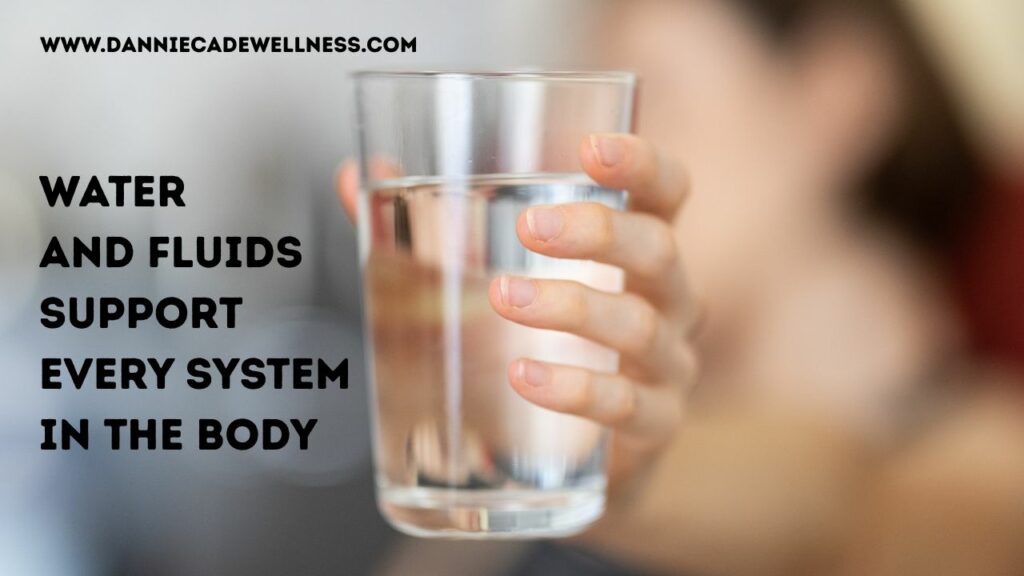
When it comes to recovery during cancer treatment, hydration is often overlooked, yet it’s one of the most critical elements of healing. Water and fluids support every system in the body, from circulation and digestion, to detoxification and temperature regulation.
When your body is under the stress of treatment, dehydration can exacerbate fatigue, nausea, constipation, confusion, and even the side effects of chemotherapy or radiation. Staying hydrated is not just about quenching thirst; it is about actively supporting your recovery and giving your body the environment it needs to repair itself.

Cancer treatments, while life-saving, put extraordinary stress on the body. Chemotherapy can cause nausea, vomiting, and diarrhea, all of which contribute to fluid loss. Radiation may create localized swelling or make drinking and swallowing uncomfortable. Even minor symptoms like mouth sores, dry mouth, or loss of appetite can reduce fluid intake. Without adequate hydration, the body struggles to transport nutrients, flush toxins, and maintain cellular function — all of which slow recovery.

1. Understanding fluid needs:
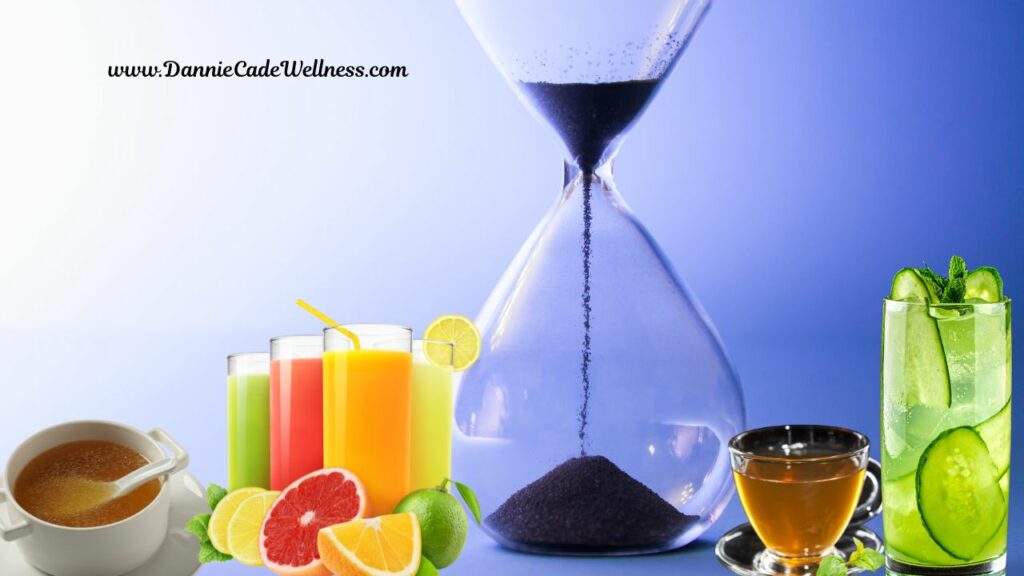
Fluid requirements vary from person to person, but a general guideline is to aim for 2–3 liters per day, adjusting for body size, activity level, climate, and treatment effects. Hydration is more than just water. Herbal teas, broths, and even nutrient-rich smoothies contribute to fluid balance while providing additional nourishment. Electrolyte solutions may also be helpful, particularly if treatment causes vomiting or diarrhea, to replace lost sodium, potassium, and magnesium.

2. Timing and consistency:
Hydration is most effective when distributed throughout the day rather than consumed in large amounts all at once. Frequent sips, even if only a few ounces at a time, ensure your body absorbs and utilizes the fluids efficiently. Pairing hydration with meals and snacks supports digestion, while sipping fluids between meals maintains steady circulation and cellular hydration.
3. Temperature considerations:
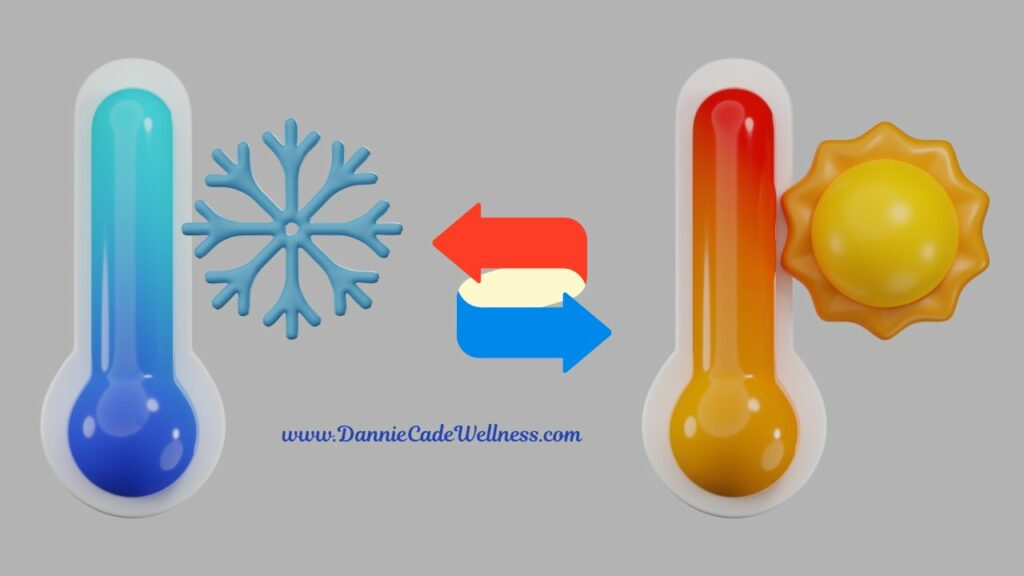
Your body may tolerate different fluid temperatures differently, especially when experiencing mouth sores, nausea, or sensitivity from treatment. Some patients find room temperature or slightly warm beverages easier to drink, while others prefer cool fluids. Experiment to determine what feels best and encourages consistent intake.
4. Signs of dehydration to watch for:
Even mild dehydration can affect recovery. Common signs include dark urine, dry lips or mouth, dizziness, fatigue, and confusion. If you notice these symptoms, increase fluid intake gradually and consider adding electrolyte-rich fluids. Severe dehydration requires medical attention.

5. Enhancing hydration through food:
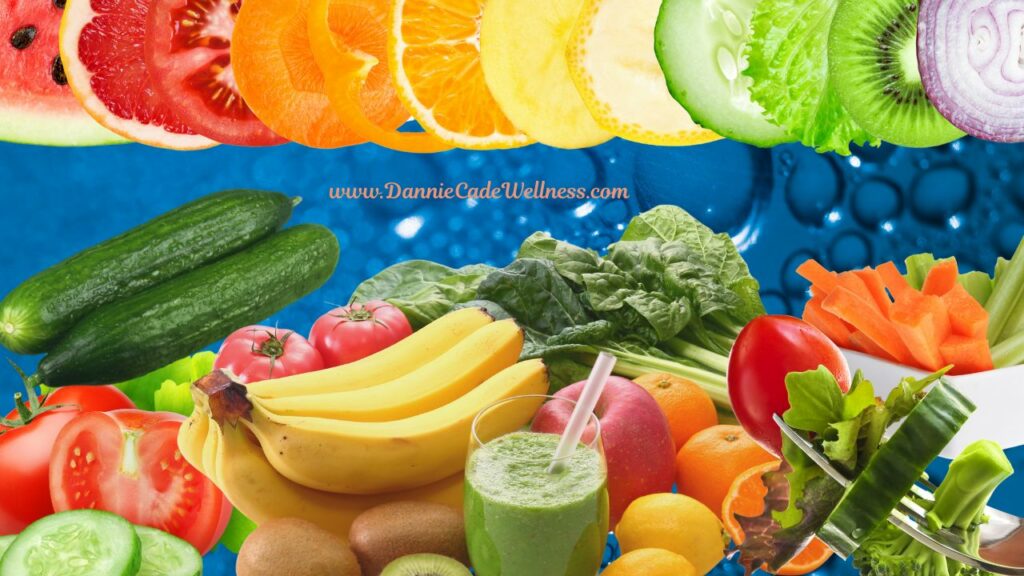
Hydrating foods can be surprisingly effective. Water-rich fruits and vegetables like cucumbers, watermelon, oranges, and celery not only provide fluid but also deliver vitamins, minerals, and antioxidants. Soups, broths, and gelatin desserts are gentle, nutrient-rich ways to maintain hydration, especially for those struggling with solid foods.
6. Avoiding hidden pitfalls:
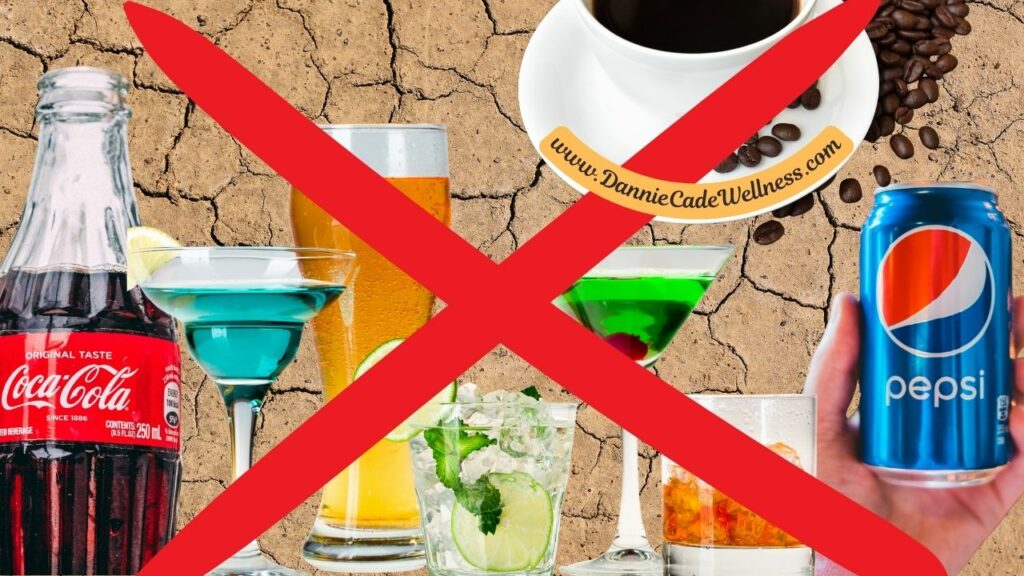
Sugary beverages, caffeinated drinks, and alcohol can contribute to dehydration rather than alleviate it. Juice and soda may provide calories, but they can spike blood sugar, cause gastrointestinal discomfort, and fail to deliver essential electrolytes. Focus on clean, low-sugar fluids that nourish as well as hydrate.
Hydration also has a profound effect on mental clarity and energy levels. Fatigue, brain fog, and irritability often worsen when fluid intake is inadequate. By staying hydrated, patients support oxygen and nutrient delivery to the brain, helping maintain focus, motivation, and emotional resilience during treatment.
Hydration works synergistically with other aspects of recovery. Proper fluid balance enhances digestion and nutrient absorption, making nutrition more effective. It supports circulation, which aids movement, reduces swelling, and facilitates tissue repair. Even emotional health can improve with adequate hydration, as dehydration can amplify stress and anxiety.
5 Tips for practical hydration:
- Keep a water bottle nearby at all times. Set small, achievable goals for each hour.
- Flavor water naturally with citrus, berries, or herbs to encourage intake.
- Alternate between sips of water, herbal teas, and broths to maintain variety and comfort.
- Pair hydration with gentle movement, such as stretching or walking, to stimulate circulation and improve absorption.
- Track your intake in a journal or app to ensure consistency and make adjustments if symptoms arise.
Hydration is one of the simplest yet most powerful tools you can use during recovery. Unlike the treatments that we must endure, drinking fluids is an action that YOU can control every hour. It directly impacts every cell in your body, helping tissues repair, nutrients circulate, toxins clear, and energy stabilize. It also reinforces a sense of agency, an important aspect of feeling empowered during treatment.

In the next episode, we will explore sleep and recovery, diving into how restorative rest is essential for healing, supporting immunity, reducing fatigue, and maintaining emotional balance. Sleep and hydration work hand-in-hand: without fluids, sleep quality suffers, and without sleep, hydration and cellular repair become less efficient.

Remember: consistent, mindful hydration is more than a habit; it is a daily act of healing. Each sip nourishes, replenishes, and empowers you to take an active role in your recovery. By pairing hydration with nutrition, gentle movement, and emotional support, you create a foundation that allows your body to withstand treatment, repair tissue, and regain strength.
Follow me on Instagram at: https://www.instagram.com/cancernutritionsupport/ for daily tips and tricks for navigating cancer related nausea, eating and weight loss distress.
Struggling to eat? Grab my free guide of what worked for me when I was wasting away during my battle with cancer here: https://gamma.app/docs/Sippable-Solutions-When-Cancer-Makes-Eating-Impossible-689xlgo755ypt4r?mode=doc