Kratom: The OTC Addiction That’s Out of Control
Category: Addiction & Recovery
You walk into a gas station to grab a drink or a snack, but then you see it, a tiny bottle called Feel Free Classic Tonic. A blister pack of OPMS Kratom. Someone in front of you grabs a liquid shot of MIT45 Kratom Extract. There’s K Shot on the shelf. A bag of Krave Kratom promising “natural relief.” They look like energy drinks and support, possibly wellness supplements, but they’re not. They’re hiding something dangerous: Kratom.

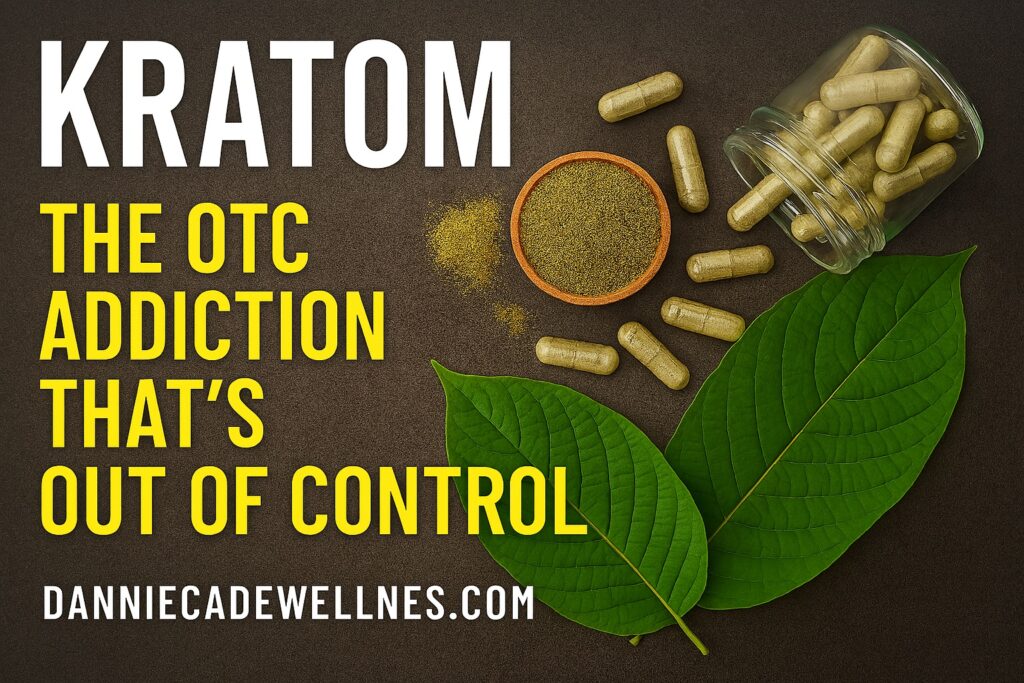
What IS this Kratom? Kratom comes from a tree in Southeast Asia, where they use it for energy or pain relief, but here? It’s turned into powders, capsules, gummies, and liquid shots. At low doses, it acts like caffeine. At high doses, it acts like an opioid with effects similar to morphine or even heroin. It’s not approved by doctors, it’s not tested for safety, and it’s not regulated.
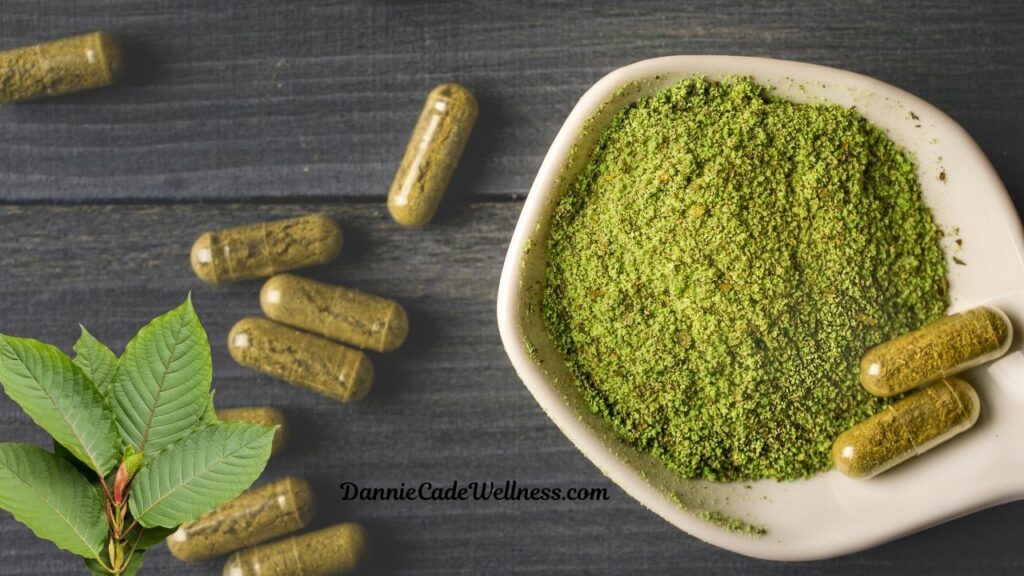
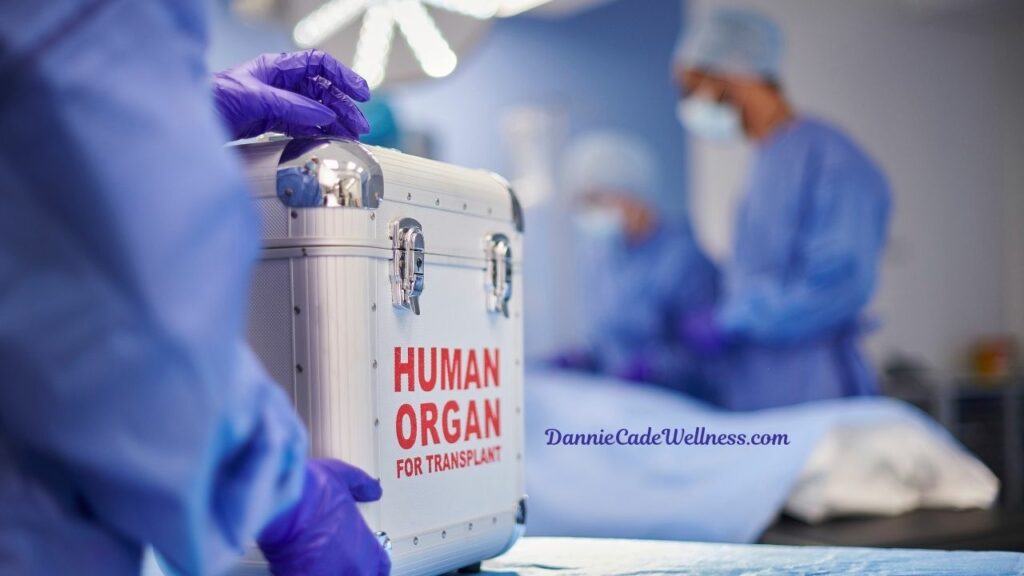
That means no one checks how strong it is or what’s actually inside, though a few vendors may do third-party testing, most don’t. That’s dangerous as Kratom can cause addiction, people get hooked, and if they try to stop they feel sick. It can cause liver damage to the point that some users have ended up in the hospital needing a liver transplant.
Seizures and death are on the rise. From 2020 to 2025, kratom has been linked to an estimated 500+ deaths across the U.S. that we know of, with fatalities involving both multi-drug overdoses and kratom alone. The rise in deaths reflects growing use, lack of regulation, and increased toxicology testing. The FDA has warned people not to use certain kratom products, but they’re still on shelves anyways.

So let’s talk about these products that are sold in gas stations and many stores:
Feel Free Classic Tonic — says it’s “plant-based wellness,” but users report withdrawal and dependency.
OPMS Kratom — especially the Black Liquid version. The FDA’s warning is clear: do not consume it due to the risk of addiction, toxicity, and death.
MIT45 Kratom Extract — super strong. No rules, no safety checks, same dangers.
K Shot — a tiny bottle with a big dose, the effects are dangerously unpredictable.
Krave Kratom powders and capsules that look natural, but carry real risks.
“Natural” is a marketing term, not a safety guarantee, and although kratom may come from a leaf, its effects on the body are potent, unpredictable, and potentially life-threatening. The strongest part of kratom contains a chemical called 7-hydroxymitragynine, or 7-OH. It hits the brain like morphine, and some companies are now concentrating it to make products even stronger.
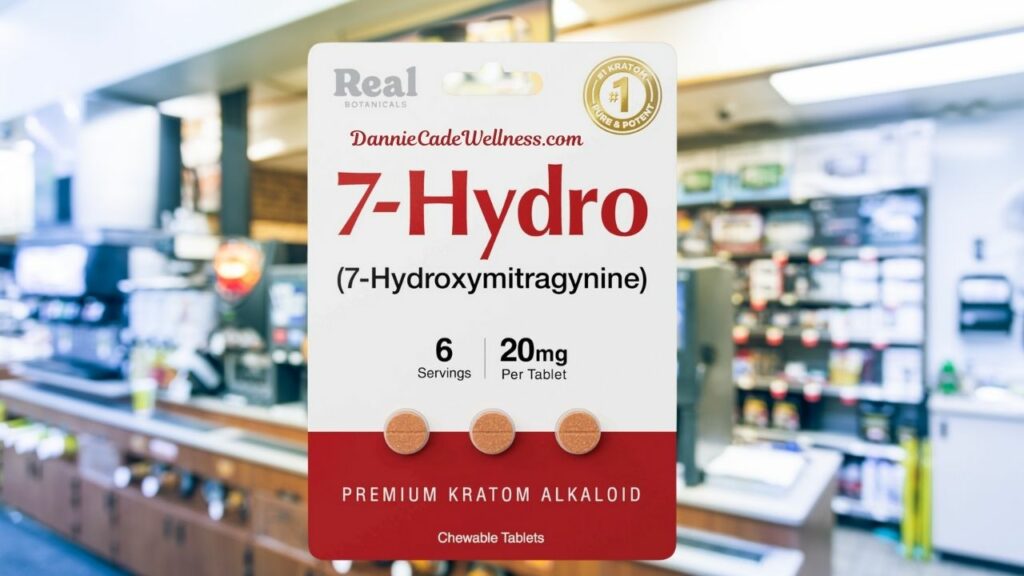
The FDA wants this chemical banned as it’s in the same category as heroin. The DEA tried to classify kratom as a Schedule I drug in 2016, but surprisingly they backed off after public backlash. Since then, regulation has been left up to individual states. Kratom isn’t just one drug, it’s a mix of over 40 active chemicals. Some act like opioids, others like stimulants or antidepressants, so that means every dose is a gamble.

You don’t know which alkaloids are dominant, how they’ll interact, or how your body will respond, and to top it off, companies are now isolating and concentrating the strongest ones like 7-OH to make products even more powerful. It’s not just risky, it’s reckless!
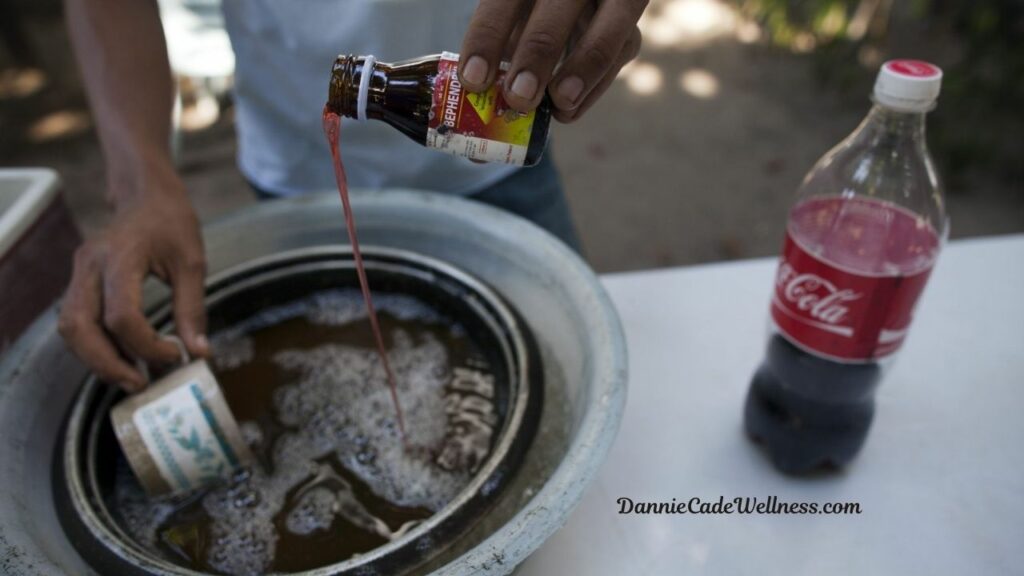
In Canada, you can buy kratom, but it’s illegal to sell it for human use. In Australia, kratom is completely banned. In Thailand, kids are mixing kratom with cough syrup and soda. It’s called “4×100,” and nearly 1 in 10 students have tried it!
Local bans are growing though, Florida banned concentrated kratom ,Ohio is pushing for a full ban, some counties in Southern California have already banned synthetic kratom yet despite growing bans, kratom remains legal in most places because of a regulatory loophole. It’s not classified as a controlled substance federally, so companies can sell it in gas stations and online with no age checks, no dosage limits, and no safety warnings.
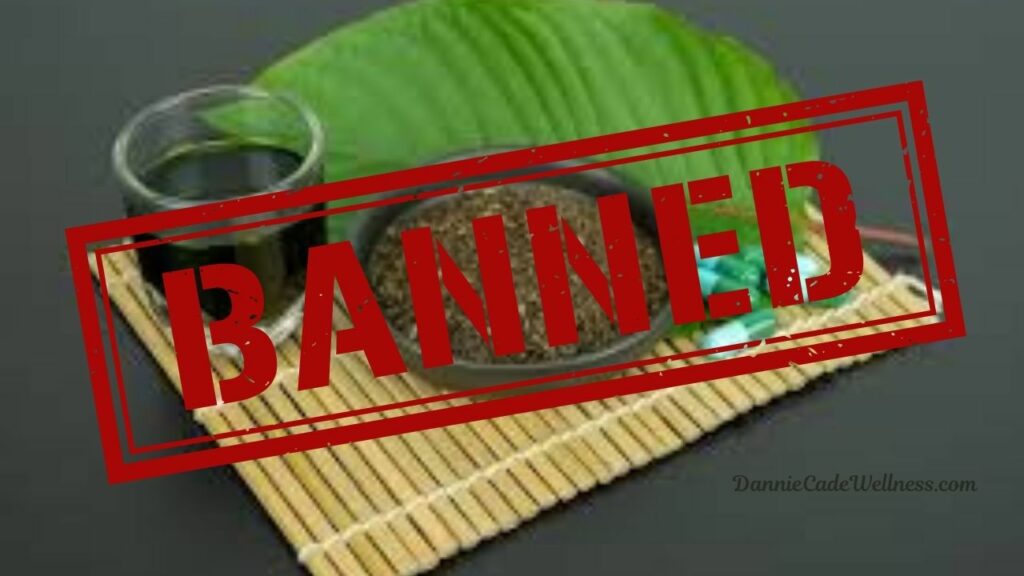
Some label it “not for human consumption” to avoid liability, even though they know exactly how it’s being used. That’s how kratom keeps slipping through the cracks, and that’s how it keeps hurting people. These psychoactive drugs change how our brain works, and they’re sold right next to gum and candy, and what’s most terrifying about this is that kids can get it easily! There are no age checks, no warnings, and teens can access kratom as easily as energy drinks, and that’s how their addiction starts.
Unlike opioids, there’s no known antidote for kratom overdose either. Naloxone (Narcan) may not work if kratom is the only substance involved. That means emergency responders are flying blind, and users are at greater risk of fatal outcomes. Trying to quit kratom is brutal, withdrawal can cause: Sweating, nausea, confusion, hallucinations, depression, seizures, and even death.
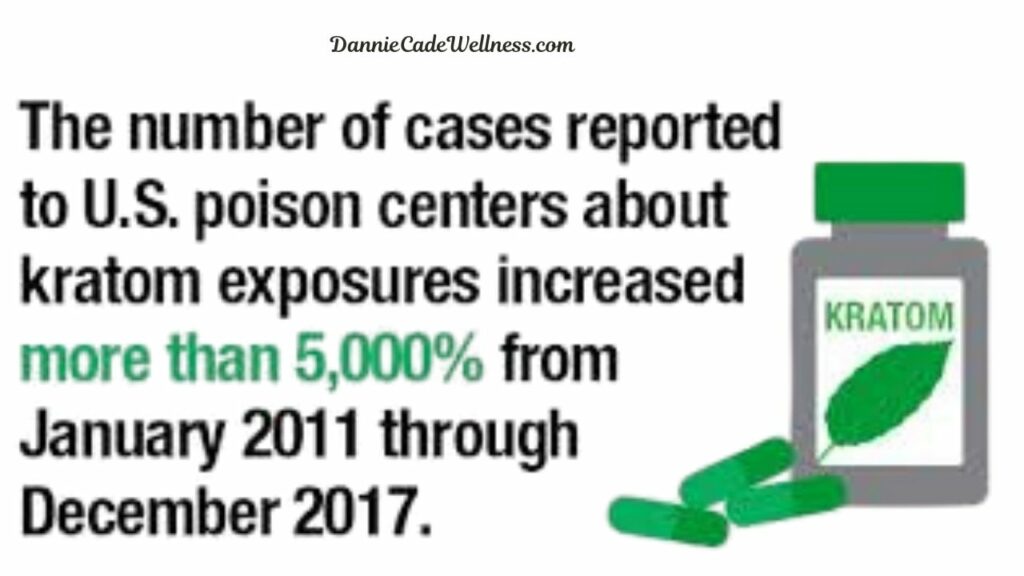
These products are sold as “natural” and “plant-based,” but that’s just marketing. They’re not safe, they’re not clean, and they’re not harmless. Some kratom products have been found contaminated with salmonella, heavy metals, and dangerous fillers – and because there’s no federal oversight, users have no way of knowing what’s inside. In 2018, a salmonella outbreak linked to kratom sickened over 199 people across 41 states, and that risk hasn’t gone away.
Bottom Line: If you see Feel Free, OPMS, MIT45, K Shot, or Krave Kratom – please, stop and think. These aren’t just drinks or pills, they’re part of a growing problem. They promise energy and relief, but they deliver addiction, sickness, and sometimes death. So speak up, warn others and don’t be fooled by the word “natural.” Kratom is killing quietly, and it’s everywhere.
If you found this helpful at all, please drop the word WOW so that I know you got some value from this. You can also get to know me better while checking out what else I offer by clicking here: https://linktr.ee/dannie.cade