Why Creatine Might Hurt Your Recovery—And What to Use Instead
Category: Creatine

Does Creatine Actually Support Energy and Muscle? Let’s talk about this magical creatine and what most people miss when they talk about muscle, energy, and performance.
Creatine is one of the most popular supplements out there. It’s everywhere now, in gyms, Costco, fitness plans, and there’s all kinds of online articles promising strength, size, or endurance…but here’s the problem: Most people talking about creatine are only looking at one side of the story.

Yes, creatine works, the science is clear. Your body makes it naturally in the liver, kidneys, and pancreas after eating protein. Animal foods like red meat and fish contain it in small amounts, but supplements give you way more than you’d ever get from food. Once inside the body, creatine gets stored in your muscles as phosphocreatine.
That’s used to regenerate ATP, which is your body’s quick-burst energy supply. Think sprinting, lifting, climbing stairs, or doing anything explosive and intense. So yes, it makes sense why athletes or bodybuilders use it.

It helps you to push harder in the gym, lift more weight, break down more muscle tissue, and if you recover properly, build more strength over time. But if we’re talking about real recovery, long-term resilience, or healing after: illness, trauma, or burnout, creatine might not be the best place to start. Let me explain. Creatine works best when you already have:
-A stable appetite
-Good digestion
-Enough protein in your diet
-And the physical strength to stimulate your muscles.
But if you’re recovering from surgery, cancer, trauma, or even a severe stress crash, creatine might not do anything, or worse, it can backfire with bloating, nausea, or diarrhea if your gut is already unstable. Many people who try to use creatine during recovery end up worse off, not because creatine is inherently bad, but because their system wasn’t ready for that kind of input.

Here’s the thing: Creatine doesn’t repair, it doesn’t rebuild the gut lining, calm inflammation, or help you to absorb food. All it does is make ATP for short bursts and that’s only IF your system has the fuel to use it. So what’s the better strategy?

In trauma-aware or post-illness recovery, it makes more sense to support the mitochondria, the parts of your cells that make energy every second of the day, not just during workouts. That’s where Coenzyme Q10 comes in.
CoQ10 helps produce ATP through the electron transport chain. It reduces oxidative stress and supports energy in the heart, brain, and muscles. Unlike creatine, which focuses on short-term output, CoQ10 builds from the cellular level up.
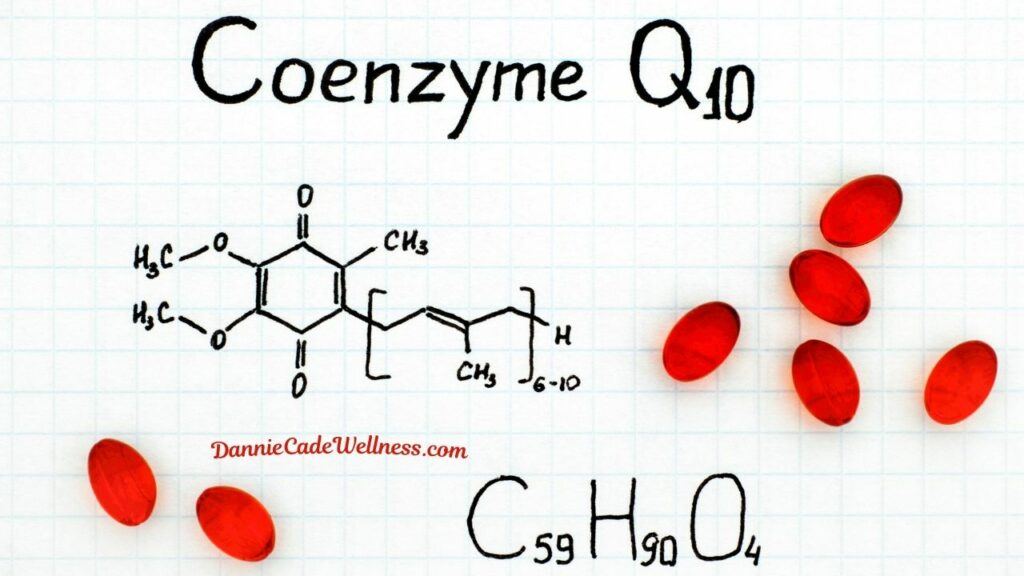
Now, to be fair: CoQ10 alone isn’t a muscle builder, it’s part of the foundation.
You still need amino acids, you still need fuel, and you still need some physical stimulus. That’s why the best approach to recovery isn’t just one supplement, it’s a phased plan.
First, refeed and stabilize. That means getting enough calories, protein, hydration, and micronutrients.
Next, build foundational energy with tools like CoQ10, magnesium, and omega-3s to reduce inflammation and power the cells.
Then, stimulate muscle protein synthesis using leucine-rich protein from easy-to-digest sources, and nutrients that support absorption.
Finally, when the system is stable and moving again, THAT’S when creatine can become useful.
At that point, a small daily dose of 3 to 5 grams, split can help rebuild strength and muscle more efficiently. This is where nuance matters. Creatine isn’t “bad.” It just needs to be phase four, not step one.
So let’s visualize this: You’ve got one person who’s lifting, eating well, and training hard. Creatine might help them push further and recover faster. Then you’ve got someone who’s just coming out of surgery, who hasn’t eaten a full meal in days, who’s dealing with inflammation, and can barely walk to the mailbox.

Giving them creatine in that state won’t fix anything. If anything it could stress their system further. What that person needs leucine, CoQ10, digestive support, and to have safe protein intake first. Here’s what that whole system might look like:
– CoQ10 for mitochondrial energy
– Leucine and protein to rebuild
– Omega-3s to calm inflammation
HMB (1 – 3 grams a day) to prevent further muscle breakdown
– And later on yes! Creatine to help push recovery further
So again, creatine has a place if it’s used correctly. Long-term studies show it can support muscle maintenance, cognitive health, and even aging when used properly, but it’s not a standalone solution or a first responder, and it’s not a fix for undernourishment, trauma, or digestive shutdown.
Recovery is layered. Supplements should be too. Support the systems that create energy. Don’t just chase a shortcut.
Learn more health hacks here: https://www.danniecadewellness.com
Watch more on Youtube:
https://www.youtube.com/@DannieCadeWellnessShow
Read my Blog:
https://danniesdovetail.myfreedomblogs.com
Join My Group:
https://www.facebook.com/groups/dannieswellnesstribe
Cancer Nutritional Support: https://www.instagram.com/cancernutritionsupport