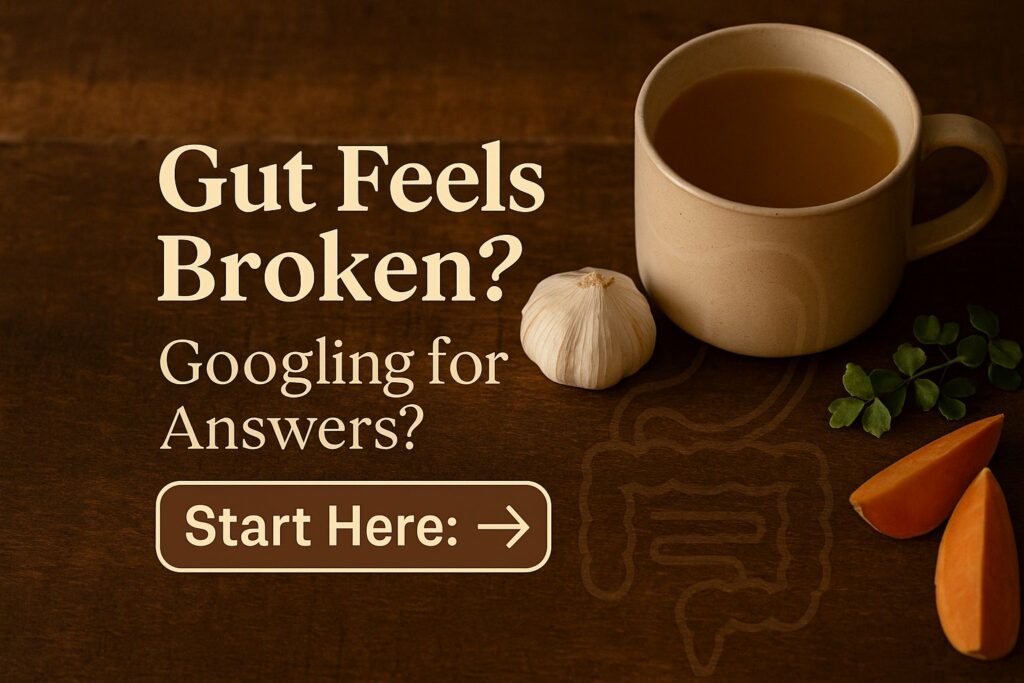
Gut Feels Broken? Googling for Answers? Start Here:
Category: Appetite Loss Solutions
If you’ve been searching out gut health this week, you’re in good company as it’s officially the most Googled wellness topic on the planet right now. Today we’re going to get down to the essentials that you need to know, the real tools that helped people like me recover when their gut felt like it had become an evil source of torture.

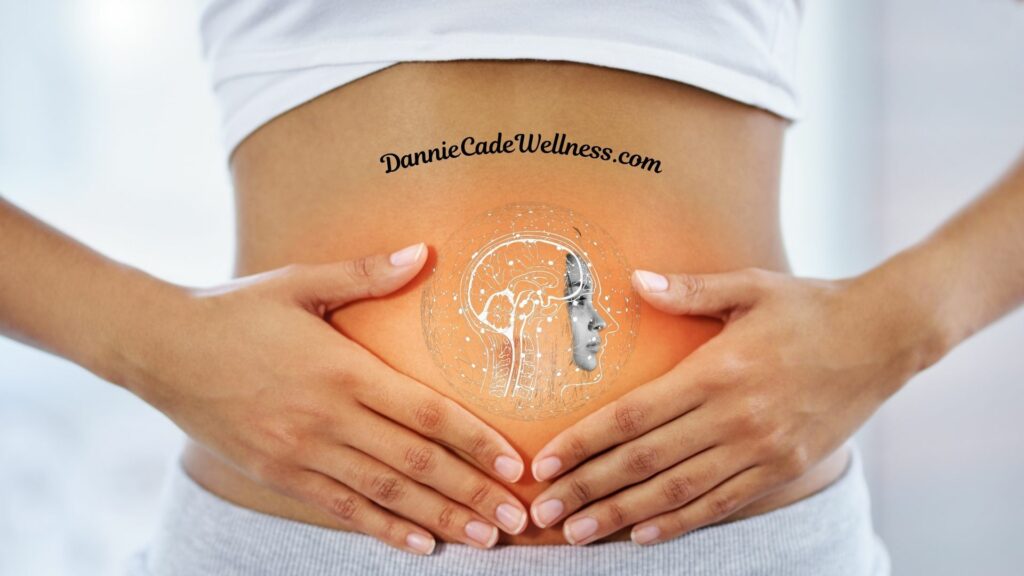
Let’s start with this: Your gut is not just about digestion, it’s where seventy percent of your immune system lives, and it’s also known as your second brain because it controls how well your body can absorb the nutrients that you’re trying to get down. It’s not just about chew, swallow, and hope for the best….it’s a whole lot more.
Here’s a hard fact for you: If your microbiome is off, every bite or sip of nutrition has to beg for permission to be absorbed. That’s why it’s not just about what we eat, but what our gut can actually use. Let me tell you what I wish someone had explained to me from day one: The most common gut health myths are the ones still making people worse.

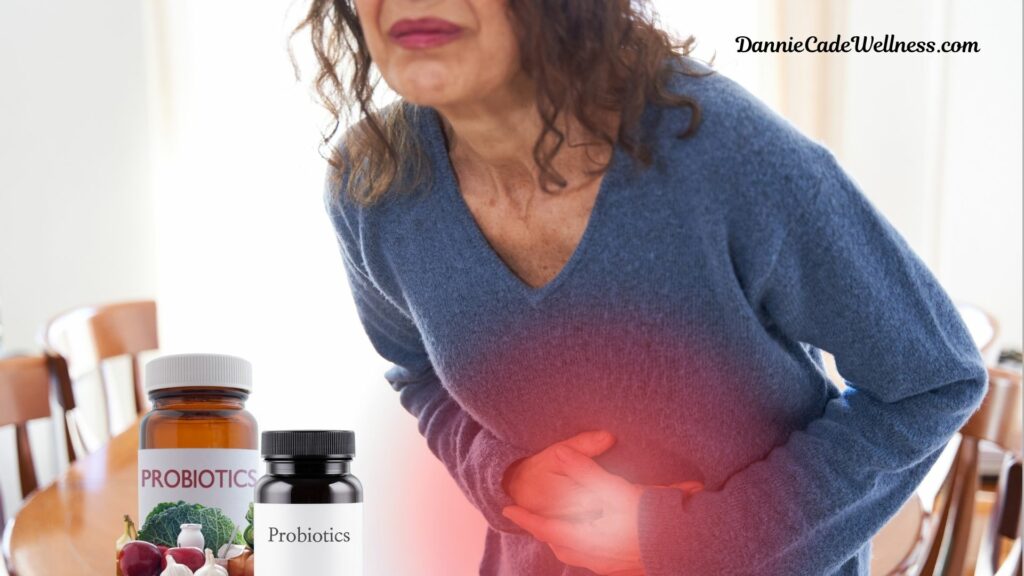
Myth one: “Just take a probiotic.” Reality? If you take the wrong strain for your body, especially while inflamed, it can actually increase symptoms like bloating, gas, cramps, diahhrea or constipation. Probiotics are not a one-size-fits-all, especially during or after cancer treatment.
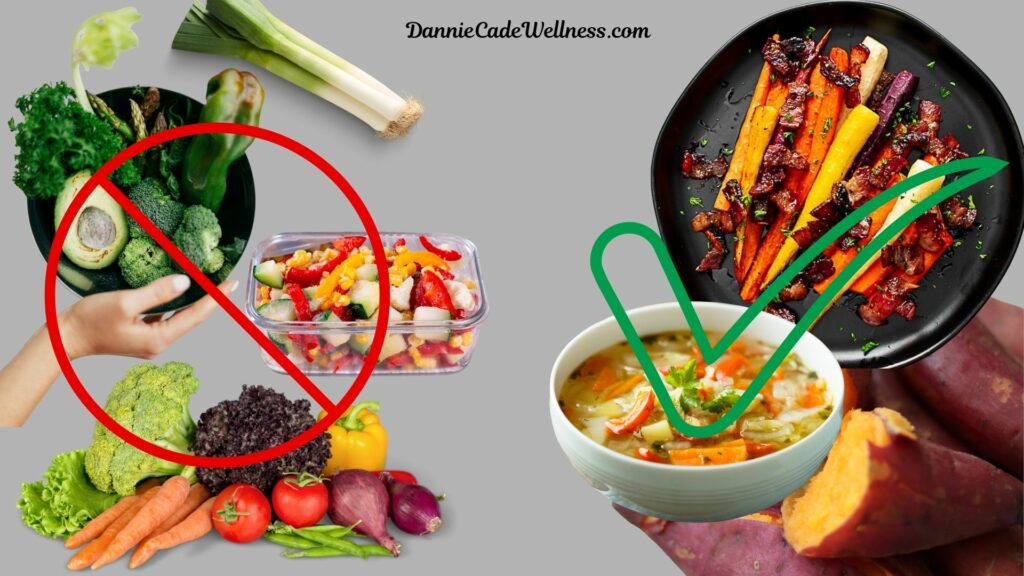
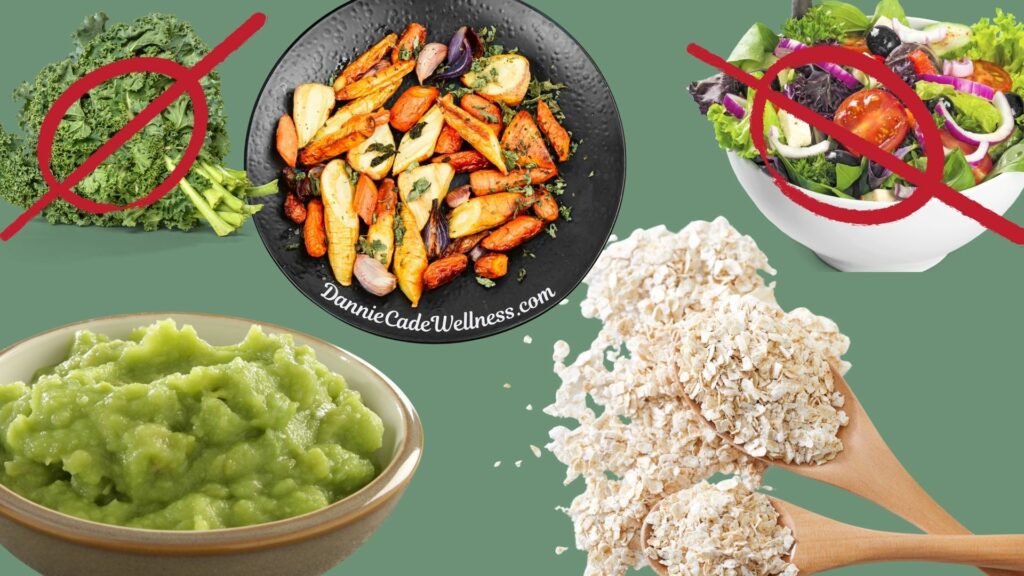
Myth two: “Go raw, go fiber-rich, go cold.” If your gut is fragile, that advice can be an awful punishment for you. Raw salads and crunchy greens can slam a traumatized or inflammed system hard. What works better for most of us? Warm, lightly to well cooked vegetables, anything that has soft, calming textures. Avoid anything raw, cold, or extreme until you’re healed up.
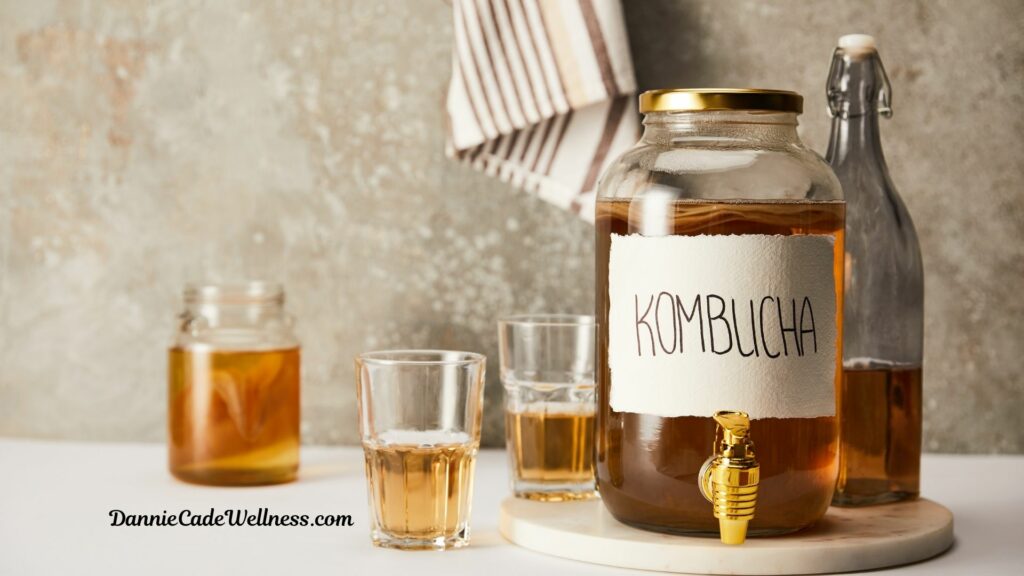
Myth three: “Kombucha is a miracle.” Kombucha, (if you’re not familiar with it,) is a wild ferment that’s high in sugar and yeast that might be fine for healthy bodies, but for anyone inflamed, nauseous, or immunocompromised … it can be brutal. It made most of us worse every single time, so what does the gut actually need to reset?
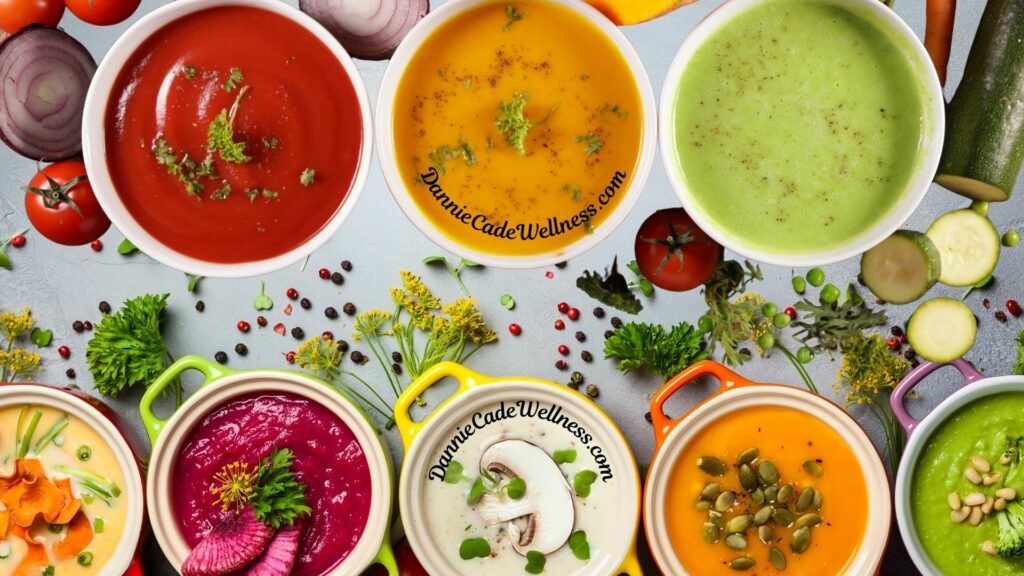
Number one: Diversity, not overload. Instead of eating one giant salad, think about getting fifteen different well cooked plant foods into your week. That can include herbs, spices, veggies, fruits, seeds and even seaweed. If chewing is hard or that’s still too hard on you, those can be rotated through warm broths or blended soups.
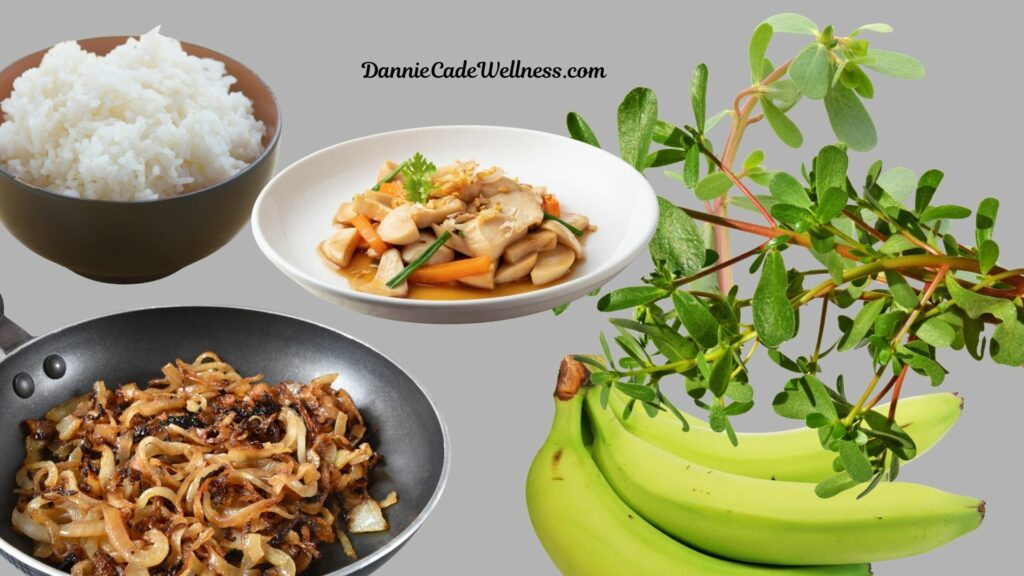
Number two: Prebiotics first, probiotics second. Feed the good bacteria you already have. Things like cooked onions, cooled rice, green bananas, or my favorite – purslane – which is a wild green that most of us think of as a weed. It’s loaded with omega-3s and mucilage (a plant-derived soluble fiber that forms a gel-like consistency and soothes and calms the gut lining). Once your gut lining is less reactive it will then make sense to add the probiotics.
Number three: Postbiotic signals. We’re talking short-chain fatty acids, especially beuterate, that turns on your healing genes and tightens the gut wall. You can feed them by getting more soluble fiber, foods like oats, mushy peas , psyllium, warm sweet potato or yams. Not lettuces or kale chips.
Number four: Nervous system override. Digestion only happens when we’re in parasympathetic mode, that rest and digest state. If you’re stuck in stress, trauma, or fight-flight-freeze, your gut is clenching up. Before every sip or bite, try inhaling for four, exhale for six, and hum softly during the exhale or at the end. That hum vibrates the vagus nerve and flips the switch. It works, it’s free and it’s really easy to do.

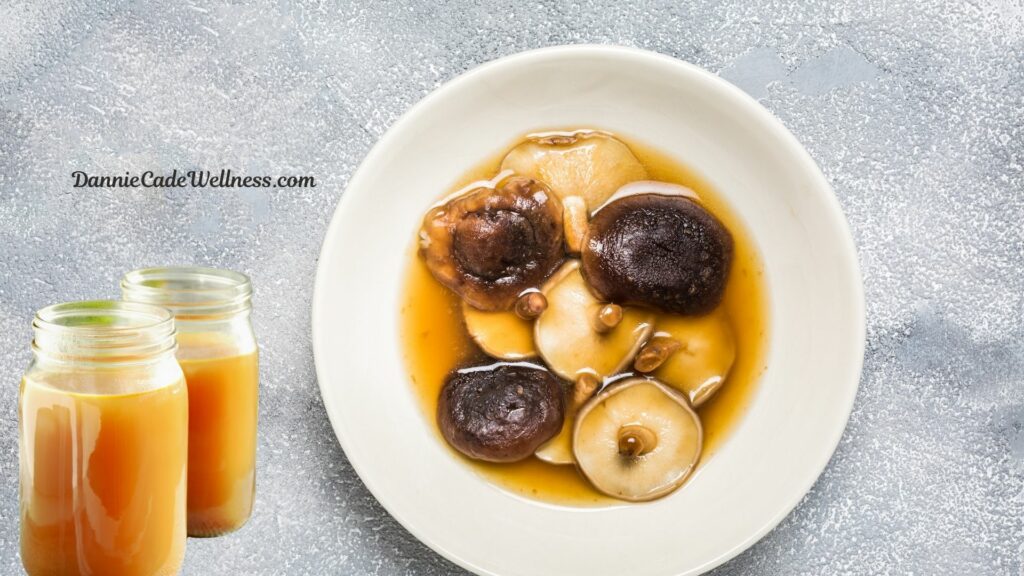
If you’re in a state where food feels like the enemy, you can try things like mushroom broths, especially reishi, shiitake and lion’s mane because their beta-glucans feed our good bacteria and also supports immune function. That’s a two-for-one deal right there.
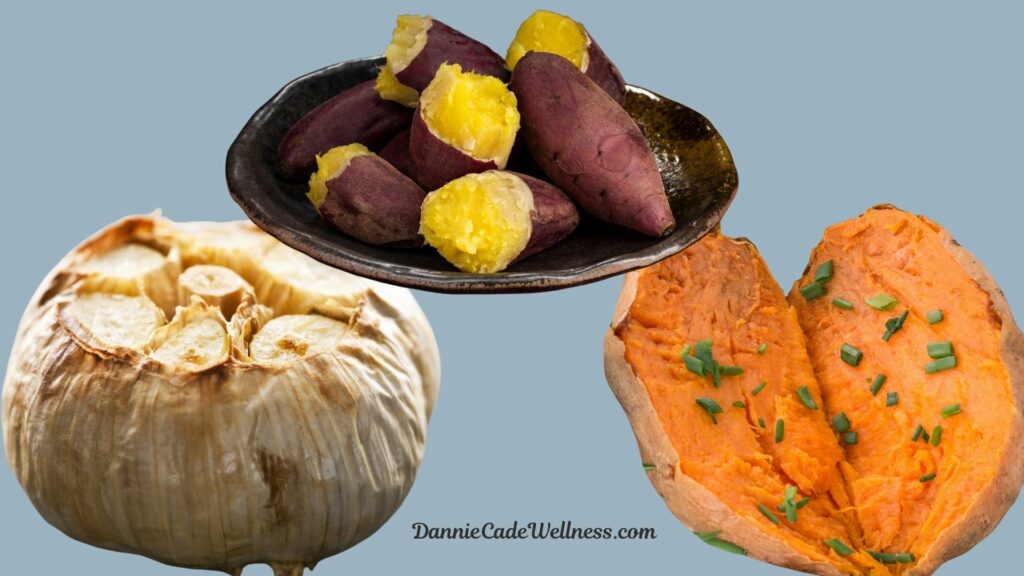
Cooked garlic, not raw as raw is too harsh and can trigger nausea, but cooked garlic still supports detox, balances cytokines, and gently stimulates digestion. Cooled sweet potato or yam mash is good because it becomes resistant starch, meaning it feeds butyrate-producing bacteria, but it’s still gentle enough that most can tolerate it.
Now, getting in adequate quality protein while we have fragile guts can become quite the challenge, especially if you’re a cancer patient where the chemo is rough on the mouth and guts. Mainstream medicine likes to encourage drinks like Boost or Ensure for example, but most of those store bought formulas are full of sugar, chemicals, indigestible protein and inadequate nutrients that do the body more harm than good.
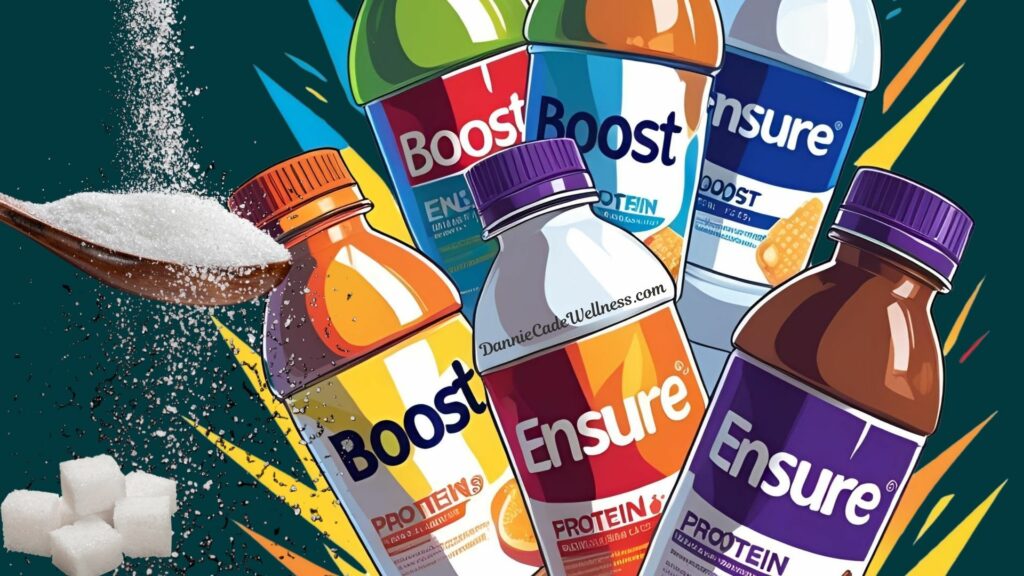
You want to find a fully balanced liquid meal that has roughly 20 grams or more of high quality digestible protein, 4 grams of fat, 6 grams of fiber, and full digestive support to help your body absorb the fuel it needs instead of just passing it through like a dead filler.
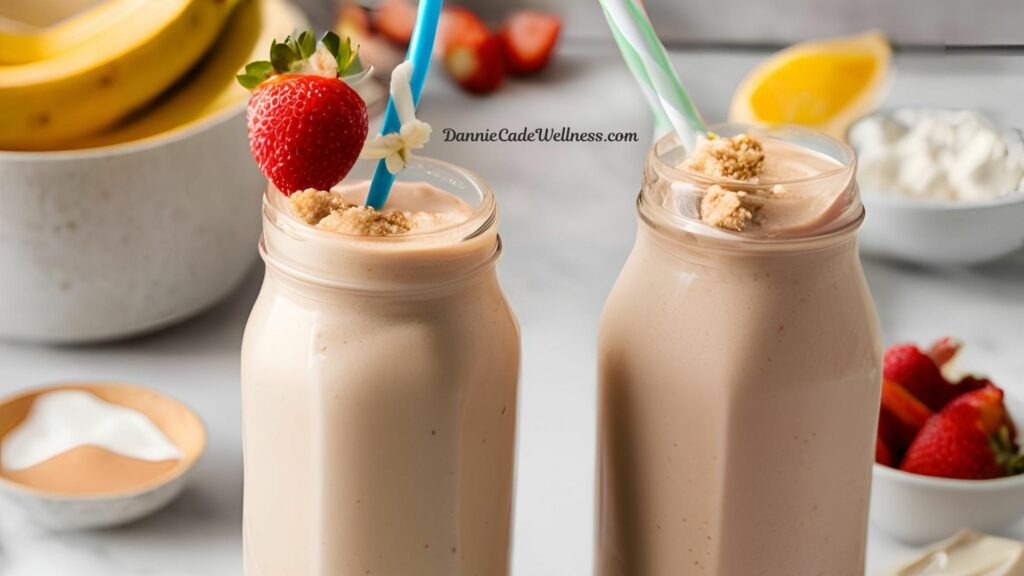
When I was dealing with a wrecked gut during my cancer battle and food was no longer my friend, I used something exactly like that where I sipped it slowly throughout the day and timed it with inhales and exhales. My progress was measured in sips, not meals because at that point, survival was the main goal.
If you’re like me where you have serious concerns as to what to use, drop the word FUEL and I’ll give you my free guide of what worked best for me.
Now, here’s a few questions that always come up, and I want to address these for you:
“Can I just take gut supplements instead of food?” No. That’s like building a house with just nails and no wood because yes, supplements support — but real food builds. Without fuel, there’s no way to repair.
“Should I fast to reset my microbiome?” That depends. Fasting can help if you’re healthy, but if you’re already losing weight or muscle, it can speed up that downward spiral, so talk to a health care provider who understands unintentional or cancer-related weight loss before jumping in on that one.
“Fiber hurts — do I just push through?” Please don’t, that’s a red flag that I had to learn to recognize and listen to after eating healthy things like salads. Pain after eating is a sign of inflammation, so switch to soothing, soluble fibers and heal up before you load up. Don’t make yourself hurt like that, been here done that, and I know how awful it is…it serves no purpose.
So, if you’re in the thick of it right now and need a place to start, here’s your action plan:
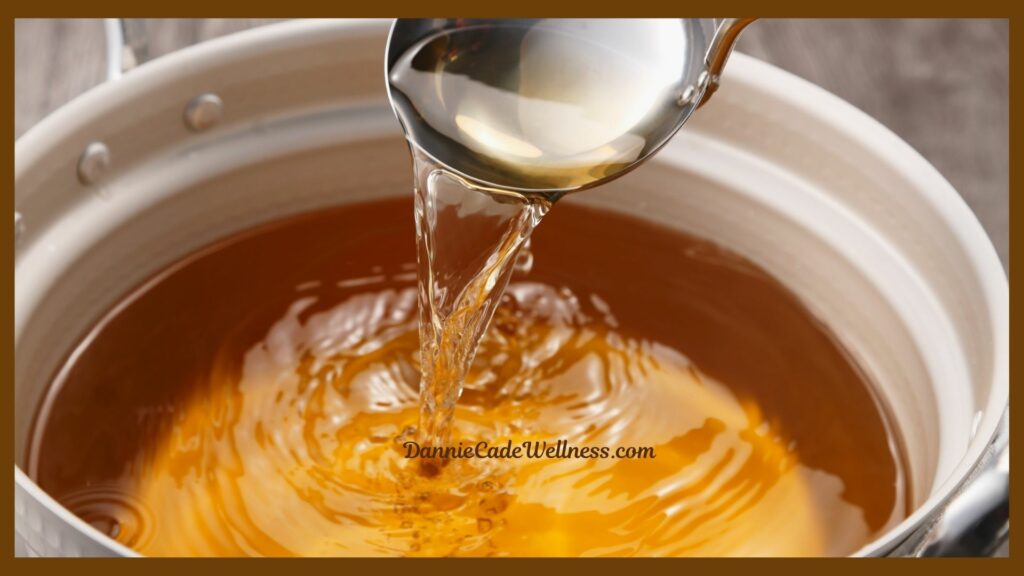
First, sip a warm mug of mushroom-garlic broth within one hour of waking. That helps to set your gut tone for the day.
Second, take two sips of that high quality meal replacement drink I mentioned earlier, every fifteen minutes. Don’t chug….sip and breathe. You’ll hit your protein target by the end of the day without shocking your system. If you want help tracking your protein intake, you can use this: http://bit.ly/3GbQgkx

Third, hum during your exhales before every intake. Don’t skip this, it’s a survival tool, not just a woo-woo wellness tip.

Fourth, if you can, aim to add one new plant per day, even a pinch of herbs or sea salt with minerals counts.
Fifth, get your lights out by ten p.m. Why? Because that’s when your gut cells enter repair mode, and your natural melatonin triples, but only if your room is dark and your screen is off. Start winding down at 9 if you need to.

That’s your basic foundation in a nutshell!
If your gut is shutting down and every meal feels like an impossible fight, drop the word FUEL in the comments, or DM me on facebook or Instagram and I’ll send you my full survival guide of what worked for me: Sippable Solutions – When eating feels impossible.

Share this with someone who’s struggling and tag someone who needs real answers instead of another Google rabbit hole. I’ll have another blog out for you the same time next week, and thanks for taking the time to read this today. Remember to grab your free membership to my online wellness site right here: